
A Mediterranean meal plan sounds wonderfully simple until Monday morning rolls around and you are staring into the fridge wondering how olives, chickpeas, and half a cucumber are supposed to become breakfast.
At its core, Mediterranean-style eating centers on vegetables, fruit, whole grains, beans, lentils, nuts, olive oil, and other minimally processed foods. Fish, poultry, eggs, and dairy can appear in moderate amounts, while red meat, sweets, and heavily processed foods generally show up less often.
The good news? You do not need seven days of complicated cooking. This plan uses familiar U.S. grocery-store foods, intentional leftovers, and a little prep so weekday meals stay manageable.
What Is a Mediterranean Meal Plan?

A Mediterranean meal plan is less about following a strict menu and more about building meals around plant foods, whole grains, legumes, healthy fats, and sensible portions of protein.
The AHA guide to Mediterranean-style eating emphasizes fruits, vegetables, whole grains, beans, nuts, seeds, olive oil, fish, poultry, eggs, and dairy as common parts of the eating pattern.
If you already follow an anti-inflammatory style of eating, you will notice plenty of overlap. This practical anti-inflammatory diet food guide covers many of the same staples, including vegetables, beans, whole grains, fish, and olive oil.
The basic Mediterranean plate
A simple meal can follow this formula:
Vegetables + whole grain + protein + healthy fat + herbs or spices
That might look like:
- Roasted vegetables + quinoa + chickpeas + olive oil + parsley
- Mixed greens + whole-grain pita + salmon + tahini + lemon
- Tomatoes and spinach + brown rice + lentils + olive oil + oregano
No calculator required. No need to inspect your lunch like it is taking an entrance exam.
Foods to eat often, sometimes, and less often
| Eat Often | Eat in Moderate Amounts | Eat Less Often |
| Vegetables | Fish and seafood | Processed meats |
| Fruit | Poultry | Sugary drinks |
| Beans and lentils | Eggs | Sweets and desserts |
| Whole grains | Yogurt and cheese | Refined snack foods |
| Nuts and seeds | Dairy | Large amounts of red meat |
| Olive oil | Whole-grain pasta | Highly processed foods |
| Herbs and spices | Potatoes | Foods high in added sugar |
You do not need Mediterranean cuisine at every meal
You can follow Mediterranean eating principles without cooking Greek, Italian, Spanish, or Middle Eastern dishes every day.
Oatmeal with berries and walnuts fits. So does a turkey and vegetable whole-grain wrap with fruit. The idea is to follow the overall food pattern rather than force every meal to look like it came from a seaside café.
Your 7 Day Mediterranean Meal Plan

This week intentionally repeats several foods. That saves money, cuts prep time, and prevents the sad end-of-week discovery of six forgotten herbs turning into refrigerator compost.
| Day | Breakfast | Lunch | Dinner | Snack |
| 1 | Greek yogurt, berries, walnuts, oats | Chickpea quinoa bowl | Lemon salmon, brown rice, roasted vegetables | Apple with almonds |
| 2 | Oatmeal with banana and walnuts | Leftover salmon grain bowl | Lentil tomato soup with whole-grain toast | Hummus with carrots |
| 3 | Whole-grain toast, egg, tomato | Lentil soup leftovers and salad | Chicken, quinoa, cucumber-tomato salad | Greek yogurt with berries |
| 4 | Greek yogurt, oats, fruit | Chickpea cucumber wrap | Whole-grain pasta with spinach, tomatoes, white beans | Pear with walnuts |
| 5 | Oatmeal with berries and almonds | Leftover bean pasta salad | Baked fish or chickpea patties, rice, greens | Hummus with cucumber |
| 6 | Eggs, whole-grain toast, fruit | Mediterranean chickpea bowl | Sheet-pan chicken and vegetables | Fruit with yogurt |
| 7 | Yogurt bowl with remaining fruit | Leftover grain and vegetable bowl | Lentil and vegetable skillet with whole-grain bread | Nuts and fruit |
Day 1
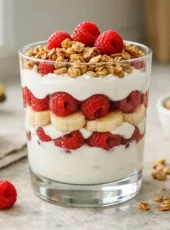
Start with Greek yogurt topped with berries, walnuts, and a spoonful of oats.
For lunch, combine quinoa, chickpeas, cucumber, tomato, greens, and a lemon-olive oil dressing. A simple Mediterranean-style chickpea bowl recipe can give you a useful starting point for this kind of lunch.
Dinner is lemon-seasoned salmon with brown rice and roasted zucchini, peppers, or broccoli. Cook extra salmon and rice because tomorrow’s lunch is already calling dibs.
Day 2
Make oatmeal with sliced banana, walnuts, and cinnamon.
Turn your leftover salmon and rice into a grain bowl for lunch. Add greens, chopped cucumber, tomato, and lemon.
Dinner is lentil tomato soup with whole-grain toast. Make enough soup for Day 3 lunch so tomorrow you have one less decision to make.
Day 3
Serve an egg on whole-grain toast with sliced tomato and fruit.
Lunch is leftover lentil soup with a side salad.
For dinner, cook chicken with quinoa and a cucumber-tomato salad. Season the chicken with garlic, lemon, oregano, black pepper, and a little olive oil.
Day 4
Return to Greek yogurt with oats and whatever fruit needs eating first.
For lunch, fill a whole-grain wrap with chickpeas, cucumber, greens, tomato, and hummus.
Dinner can be whole-grain pasta tossed with spinach, tomatoes, white beans, garlic, and olive oil. Cook extra so Day 5 lunch is basically done before you clear the table.
Day 5
Have oatmeal with berries and almonds.
Turn last night’s pasta into a cold or room-temperature lunch with additional greens and chopped vegetables.
For dinner, bake your favorite fish with brown rice and sautéed greens. If you do not eat fish, use chickpea patties, lentils, or another plant protein instead.
Day 6
Breakfast is eggs, whole-grain toast, and fruit.
For lunch, build another chickpea bowl using whatever vegetables, grains, herbs, and dressing remain.
Dinner is sheet-pan chicken with onions, peppers, zucchini, or broccoli. Roasting everything together means fewer dishes, which deserves its own tiny round of applause.
Day 7
Finish remaining yogurt, oats, and fruit at breakfast.
Lunch becomes a clean-out-the-fridge grain bowl. Combine leftover rice or quinoa with vegetables, beans, greens, and dressing.
Dinner is a simple lentil and vegetable skillet served with whole-grain bread. The goal is to end the week with fewer leftovers, not a vegetable museum.
Mediterranean Meal Plan Grocery List

You do not need a cart full of specialty foods. Build your week around versatile ingredients that can appear in more than one meal.
This anti-inflammatory grocery list for beginners is also useful if you want more pantry and produce ideas that fit naturally into this style of eating.
Produce
- Berries
- Bananas
- Apples
- Pears
- Lemons
- Tomatoes
- Cucumbers
- Leafy greens
- Carrots
- Broccoli
- Bell peppers
- Zucchini
- Onions
- Garlic
- Fresh parsley or another herb
Whole grains and bread
- Old-fashioned oats
- Brown rice
- Quinoa
- Whole-grain bread
- Whole-grain wraps
- Whole-grain pasta
You do not need all three grains if you are keeping costs down. Pick one or two and use them several times.
Beans and plant proteins
- Chickpeas
- Lentils
- White beans
- Hummus
Canned beans are absolutely fine. Rinse them, drain them, and move on with your day.
Fish, poultry, eggs, and dairy
- Salmon or another fish
- Chicken
- Eggs
- Plain Greek yogurt
Choose the amount that matches your household size and planned substitutions.
Healthy fats, nuts, and pantry staples
- Extra virgin olive oil
- Walnuts
- Almonds
- Tahini, optional
- Cinnamon
- Oregano
- Black pepper
- Garlic powder
- Paprika
- Vinegar
If grocery costs are getting rude, these budget-friendly anti-inflammatory food staples include useful lower-cost choices such as oats, lentils, canned chickpeas, brown rice, canned fish, and other pantry basics.
Prep These Foods Once to Make the Week Easier

You can spend a little time preparing the building blocks of the week instead of preparing seven separate days from scratch.
Cook one versatile whole grain
Make a batch of brown rice or quinoa. Refrigerate it in a covered container and use it in bowls, alongside dinner, and with leftovers.
One grain can cover several meals without anyone filing a formal complaint.
Wash and chop vegetables
Wash your greens and chop sturdy vegetables such as peppers, carrots, broccoli, and cucumbers.
Keep softer or wetter items, especially tomatoes, separate when that helps preserve texture.
Make one simple dressing
Whisk together:
- Olive oil
- Lemon juice
- Garlic
- Oregano
- Black pepper
Use it on salads, grain bowls, chickpeas, fish, and roasted vegetables.
Prepare a bean-based spread or dip
Hummus makes an easy snack, sandwich spread, wrap filling, and bowl topping.
Pair it with vegetables during the week. You can find more combinations in these easy anti-inflammatory snack ideas.
Portion simple snacks
Wash fruit and place nuts into small containers if that makes busy mornings easier.
Snacks do not need to become tiny culinary projects. Fruit, nuts, yogurt, vegetables, and hummus already know how to do the job.
Plan one dinner specifically for leftovers
When you cook salmon, chicken, lentils, pasta, grains, or roasted vegetables, make extra on purpose.
Planned leftovers feel much better than accidental leftovers because they arrive with intention.
Easy Mediterranean Meal Swaps
A Mediterranean meal plan should fit your needs rather than make you buy foods you dislike.
If you do not eat fish
Replace fish with:
- Chickpeas
- Lentils
- White beans
- Eggs
- Tofu
- Chicken, if you eat poultry
You can still include walnuts, chia seeds, flaxseed, and other plant foods in your broader eating pattern.
Vegetarian swaps
Replace chicken or fish with lentils, chickpeas, beans, tofu, tempeh, eggs, or combinations of legumes and whole grains.
A lentil bowl with roasted vegetables, quinoa, olive oil, and herbs fits the week just as easily as a chicken bowl.
Gluten-free swaps
Use:
- Brown rice
- Quinoa
- Certified gluten-free oats
- Gluten-free bread or wraps
- Potatoes
- Corn tortillas when appropriate
For a week built specifically around those needs, these gluten-free Mediterranean meal plan ideas can help with substitutions while keeping the same general eating pattern.
Dairy-free swaps
Replace Greek yogurt with an unsweetened dairy-free alternative that fits your needs.
Skip cheese, or use hummus, tahini, avocado, herbs, toasted nuts, or a flavorful dressing when you want extra richness.
Budget swaps
You do not need fresh salmon several times a week.
Try:
- Canned tuna or salmon
- Sardines
- Lentils
- Canned chickpeas
- Eggs
- Frozen vegetables
- Seasonal fruit
- Store-brand oats
- Brown rice
- Peanut butter or lower-cost nuts
Choosing foods you will actually finish matters more than buying an impressive ingredient list.
How to Build Your Own Mediterranean Meal Plan
Eventually, you want to be able to close the seven-day schedule and make your own combinations.
Use this simple pattern.
Start with vegetables
Aim to make vegetables a noticeable part of lunch and dinner.
That could mean a salad, roasted vegetables, soup, sautéed greens, or raw vegetables alongside hummus.
Add a whole grain or other high-fiber carbohydrate
Choose foods such as:
- Brown rice
- Quinoa
- Oats
- Barley
- Farro
- Whole-grain bread
- Whole-grain pasta
- Potatoes
You do not need a different grain at every meal.
Choose your protein
Rotate among beans, lentils, fish, poultry, eggs, yogurt, and other foods that fit your dietary needs.
Including more than one type during the week keeps meals interesting without requiring complicated recipes.
Add a source of unsaturated fat
Olive oil, nuts, seeds, and tahini are common choices.
They add flavor and help make meals more satisfying, but serving size still matters.
Finish with herbs, spices, or citrus
This is where simple ingredients stop tasting like Tuesday paperwork.
Try garlic, oregano, cumin, paprika, parsley, mint, dill, lemon juice, or black pepper.
Ever notice how a bowl of beans suddenly feels like an actual meal once lemon, herbs, and olive oil show up? That final layer of flavor does a lot of work.
How Much Should You Eat?
There is no single portion size or calorie level that works for every adult.
Your energy needs can vary based on body size, age, activity level, medical conditions, medications, pregnancy, breastfeeding, and personal health goals.
Why one calorie target does not fit everyone
A sample Mediterranean meal plan is useful for meal ideas, but it should not be treated as a universal prescription.
Some people need larger portions, additional snacks, or more calorie-dense foods. Others may need specific adjustments recommended by a healthcare professional.
Adjust meals to your hunger and needs
You can increase or decrease portions of grains, proteins, fats, and snacks based on your needs.
If a meal leaves you consistently hungry soon afterward, that is useful information. Adding more vegetables, whole grains, protein, or healthy fats may help make it more satisfying.
When personalized nutrition advice matters
If you have diabetes, kidney disease, food allergies, gastrointestinal conditions, an eating disorder history, or another condition affected by diet, individualized guidance from a qualified healthcare professional can be valuable.
The weekly menu here is general educational information, not a personalized medical diet.
Common Mediterranean Meal Plan Mistakes
Mediterranean-style eating is flexible, but a few habits can quietly pull your week away from the basic pattern.
Turning every meal into pasta and cheese
Pasta can fit. Cheese can fit.
But if vegetables and legumes slowly disappear while pasta and cheese become the main event every night, the overall pattern changes quite a bit.
Forgetting beans and lentils
Beans and lentils are inexpensive, filling, easy to store, and useful in soups, bowls, salads, and pasta dishes.
Try using them several times during the week rather than treating them as emergency pantry food.
Treating olive oil as unlimited
Olive oil is a common source of unsaturated fat in Mediterranean-style eating, but it is still calorie-dense.
Use enough for flavor and cooking rather than pouring it onto meals as if the bottle owes you money.
Buying too many specialty ingredients
You do not need six imported grains, three jars of olives, and an herb collection worthy of a botanical garden.
Start with foods your household already eats, then add a few Mediterranean staples.
Cooking a completely new meal three times a day
This is one of the fastest ways to make any meal plan feel exhausting.
Repeat breakfasts. Eat leftovers. Cook extra grains. Reuse vegetables. Let lunch borrow from dinner.
Thinking wine is required
It is not.
Alcohol is optional, and people who do not drink do not need to begin drinking because they are following a Mediterranean eating pattern.
Why People Follow the Mediterranean Eating Pattern
People are often drawn to Mediterranean-style eating because it emphasizes everyday foods rather than a long list of rigid restrictions.
Heart health
Research has repeatedly examined Mediterranean dietary patterns in relation to cardiovascular health.
This NHLBI summary on Mediterranean diet research discusses findings linking stronger adherence to Mediterranean-style eating with favorable health outcomes.
A PubMed review of Mediterranean cardiovascular research also examines the relationship between traditional Mediterranean dietary patterns and cardiovascular outcomes.
Fiber and plant foods
Vegetables, fruit, beans, lentils, whole grains, nuts, and seeds naturally bring more fiber into the diet.
That is another reason the plan works better when plant foods take up plenty of space on the plate rather than appearing as a token side salad.
Healthy fat sources
Mediterranean-style eating commonly favors olive oil, nuts, seeds, and fish rather than relying heavily on foods rich in saturated fat.
Again, the overall pattern matters more than chasing one supposedly magical ingredient.
Long-term flexibility
One reason many people find this style of eating approachable is that foods are rarely sorted into dramatic “allowed” and “forbidden” categories.
You can eat pasta. You can eat bread. You can have dessert sometimes.
The bigger question is: what does your usual week look like?
Frequently Asked Questions
What do you eat for breakfast on a Mediterranean diet?
Common breakfasts include oatmeal with fruit and nuts, Greek yogurt with berries, whole-grain toast with eggs, or fruit with yogurt and seeds. Breakfast can be simple and repeated throughout the week.
Can I eat the same breakfast every day?
Yes. Repeating a balanced breakfast can make meal planning much easier.
Change the fruit, nuts, or toppings when you want variety without rebuilding breakfast from scratch.
Can I follow a Mediterranean meal plan without fish?
Yes. Beans, lentils, tofu, eggs, poultry, and other proteins can replace fish depending on your dietary preferences.
You can still build meals around vegetables, whole grains, legumes, olive oil, nuts, and seeds.
Can I have snacks on the Mediterranean diet?
Yes. Fruit, nuts, yogurt, vegetables with hummus, and whole-grain foods are easy choices.
Snacks are optional, so use them when they fit your hunger and daily routine.
Is a Mediterranean meal plan good for weight loss?
A Mediterranean eating pattern can be used within a weight-management plan, but body-weight changes depend on many factors, including total food intake, activity, health conditions, sleep, and individual needs.
A seven-day sample menu should not replace personalized advice when weight management is a medical concern.
Can I swap meals between days?
Absolutely.
Move lunches, dinners, and breakfasts around based on your schedule and what you already have in the refrigerator. The weekly structure is a starting point, not a contract.
Have more questions? Ask in the comments!
Start With One Week, Then Make It Yours
A Mediterranean meal plan works best when it feels like normal food rather than a seven-day nutrition challenge.
Try the sample week once. Keep the meals that worked, replace the ones that did not, and pay attention to which ingredients saved you time because they appeared in several dishes.
You do not need to cook differently every day to eat well. A pot of grains, a few vegetables, beans, olive oil, fruit, nuts, and two or three reliable proteins can carry a surprising amount of the week.
Once that rhythm feels familiar, building the next seven days gets much easier.