
A gluten free Mediterranean meal plan brings together colorful produce, beans, fish, olive oil, nuts, seeds, and satisfying gluten-free grains. This seven-day menu includes practical breakfasts, lunches, dinners, snacks, a shopping list, and a weekly prep routine designed to reduce daily cooking.
Most meals use naturally gluten-free foods rather than costly specialty products. You will also find label-reading tips and safer kitchen practices for anyone who must avoid even small amounts of gluten.
The goal is simple: eat well all week without making your kitchen feel like a full-time job.
What Is a Gluten Free Mediterranean Meal Plan?
A gluten free Mediterranean meal plan follows the general eating pattern associated with Mediterranean cuisines while removing wheat, barley, rye, and foods made from them.
The Mediterranean style of eating centers on vegetables, fruit, legumes, nuts, seeds, olive oil, herbs, fish, and smaller amounts of poultry, eggs, dairy, and meat. These core foods in Mediterranean-style eating already include plenty of naturally gluten-free choices.
The main adjustment involves replacing foods such as regular bread, pita, couscous, bulgur, farro, barley, and wheat pasta. Quinoa, brown rice, buckwheat, millet, corn, potatoes, polenta, sorghum, and labeled gluten-free pasta can fill those spots.
This way of eating also fits many basic anti-inflammatory eating principles, especially the focus on produce, legumes, herbs, seafood, nuts, and extra-virgin olive oil.
Who may find this plan useful?
This menu may suit people with celiac disease, non-celiac gluten sensitivity, a wheat allergy, or a personal preference to avoid gluten. The level of caution needed differs, though.
Someone avoiding gluten by choice may feel comfortable with naturally gluten-free ingredients prepared in a shared kitchen. A person with celiac disease generally needs stricter label checks and cross-contact precautions.
Speak with a doctor or registered dietitian before making major dietary changes when you have celiac disease, anemia, digestive symptoms, food allergies, kidney disease, diabetes, or other medical needs.
Is the Mediterranean Diet Gluten-Free?

The Mediterranean diet is not automatically gluten-free. Many of its core foods contain no gluten, but several traditional staples are made from wheat or barley.
That distinction matters. A tomato and chickpea salad may be naturally safe, while a similar salad topped with bulgur or served beside standard pita is not.
Naturally gluten-free Mediterranean foods
Build most meals around foods such as:
- Vegetables and fruit
- Beans, chickpeas, and lentils
- Fish and seafood
- Eggs and plain poultry
- Plain yogurt and cheese
- Nuts and seeds
- Extra-virgin olive oil
- Potatoes and sweet potatoes
- Rice, quinoa, millet, and buckwheat
- Corn and polenta
- Fresh herbs, garlic, and spices
Mediterranean foods that usually contain gluten
Check or replace:
- Couscous
- Bulgur
- Farro
- Barley
- Semolina
- Orzo
- Regular pasta
- Pita and flatbreads
- Wheat-based crackers
- Breadcrumb-coated fish or meat
- Soups thickened with flour
- Sauces containing wheat-based soy sauce
Gluten-free swaps that still feel Mediterranean
| Food containing gluten | Gluten-free replacement |
| Couscous | Quinoa or millet |
| Bulgur | Quinoa or cauliflower rice |
| Farro | Brown rice or sorghum |
| Barley | Buckwheat or wild rice |
| Orzo | Gluten-free rice or corn orzo |
| Wheat pasta | Chickpea, lentil, rice, or corn pasta |
| Pita | Labeled gluten-free flatbread |
| Breadcrumbs | Ground nuts or labeled gluten-free crumbs |
| Flour-thickened soup | Potato, blended beans, or cornstarch |
The swaps do not need to imitate wheat exactly. Quinoa with lemon, parsley, cucumber, and olive oil can play the same role as a grain salad while bringing its own nutty flavor.
Gluten-Free Safety Before You Begin

Naturally gluten-free does not always mean safe for every person with celiac disease. Processing, packaging, and kitchen contact can introduce gluten.
Read packaged-food labels carefully
In the United States, packaged foods carrying a gluten-free claim must meet the FDA rules for gluten-free food labels. The rule applies to claims such as “gluten-free,” “free of gluten,” “without gluten,” and “no gluten.”
Pay extra attention to:
- Broth and bouillon
- Salad dressings
- Marinades
- Spice blends
- Soy sauce
- Flavored nuts
- Processed meats
- Meat substitutes
- Packaged rice mixes
- Canned soups
- Sauces and gravies
Wheat must appear in allergen labeling when applicable, but barley and rye may require a closer ingredient-list check. Do not assume “wheat-free” means gluten-free.
Choose certified or labeled gluten-free oats
Oats do not naturally contain the same gluten proteins found in wheat, barley, and rye. Still, ordinary oats may come into contact with gluten-containing grains during growing, transport, milling, or packaging.
Use oats clearly labeled gluten-free. Some people with celiac disease may also react poorly to oats, so follow the advice given by your healthcare professional.
Prevent cross-contact in a shared kitchen
Cross-contact happens when gluten-containing food touches gluten-free food. It can occur during growing, processing, storage, preparation, or serving, according to guidance on preventing gluten cross-contact.
Helpful precautions include:
- Use a separate toaster or reusable toaster bag.
- Keep gluten-free spreads free from breadcrumb-covered knives.
- Wash counters, pans, utensils, and cutting boards well.
- Use a separate colander for gluten-free pasta.
- Store gluten-free flour above wheat flour.
- Avoid shared bulk bins.
- Use fresh cooking water and clean oil.
- Label containers clearly when several people share the kitchen.
A few crumbs may look harmless, but celiac safety is not the place for kitchen roulette.
How This 7-Day Plan Works
This plan is written as a flexible framework for one adult. Double the main ingredients when feeding two people, and increase them further for a family.
Portion sizes should reflect your hunger, activity level, health needs, and guidance from a qualified professional. Add more vegetables, protein, healthy fat, or gluten-free carbohydrate when a meal does not keep you satisfied.
Several dinners create lunch for the next day. That small habit reduces cooking and keeps a half-used container of quinoa from quietly becoming a science project.
Easy dietary adjustments
Dairy-free: Use unsweetened dairy-free yogurt, skip feta, or choose a suitable dairy-free alternative.
Vegetarian: Replace fish or chicken with beans, lentils, tofu, eggs, or extra chickpeas.
Pescatarian: Includes fish, seafood, eggs, dairy, and plant proteins, excluding poultry.
Nut-free: Replace nuts with pumpkin seeds, sunflower seeds, olives, or extra chickpeas.
7 Day Gluten Free Mediterranean Meal Plan

Day 1
Breakfast
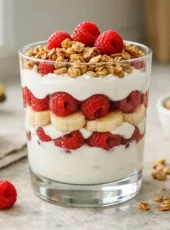
Plain Greek yogurt with blueberries, walnuts, chia seeds, and a small drizzle of honey.
For a dairy-free breakfast, use unsweetened coconut or soy yogurt with a clear gluten-free label.
Lunch
Chickpea, cucumber, tomato, parsley, and feta salad with lemon and extra-virgin olive oil.
Serve it over quinoa or leafy greens. A meal-prep chickpea and quinoa bowl is another practical option when you want a more filling lunch.
Dinner
Lemon-herb salmon with roasted zucchini, red bell pepper, and baby potatoes.
Cook two salmon portions and extra vegetables.
Optional snack
An apple with almond butter.
Save for tomorrow
Refrigerate the extra salmon and roasted vegetables in separate sealed containers.
Day 2
Breakfast
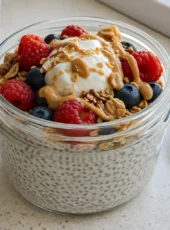
Certified gluten-free overnight oats with chia seeds, cinnamon, berries, and plain yogurt or milk.
These make-ahead anti-inflammatory overnight oats can help make busy mornings less frantic. Check every oat package for a clear gluten-free label.
Lunch
Leftover salmon bowl with greens, roasted vegetables, cucumber, olives, and lemon dressing.
Flake the salmon over the salad just before eating.
Dinner
Red lentil and vegetable soup with carrots, celery, tomato, spinach, garlic, and cumin.
Serve it with a side salad and labeled gluten-free crackers or flatbread. Make enough soup for tomorrow’s lunch.
Optional snack
Orange slices and pumpkin seeds.
Save for tomorrow
Store one or two servings of lentil soup in the refrigerator.
Day 3
Breakfast
Two eggs scrambled with spinach and tomatoes, served with fruit and roasted potatoes.
Add oregano or chopped parsley for a fresh finish.
Lunch
Leftover red lentil soup with cucumber, tomato, and olive salad.
A spoonful of plain yogurt adds creaminess when dairy works for you.
Dinner
Chicken and vegetable sheet-pan dinner with red onion, zucchini, cherry tomatoes, and potatoes.
Season with garlic, lemon, oregano, black pepper, and olive oil. Make an extra portion for lunch.
Optional snack
Plain yogurt with sliced strawberries.
Save for tomorrow
Set aside chicken and roasted vegetables before serving dinner.
Day 4
Breakfast
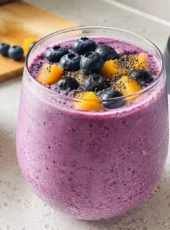
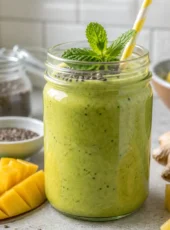
Smoothie made with berries, spinach, plain yogurt or milk, chia seeds, and half a banana.
Pair it with a boiled egg if you need a more substantial breakfast.
Lunch
Chicken quinoa bowl with leftover roasted vegetables, greens, olives, and lemon dressing.
A spoonful of hummus works well here, provided the package is labeled gluten-free or the ingredients have been checked carefully.
Dinner
Gluten-free pasta with white beans, spinach, cherry tomatoes, garlic, olive oil, and Parmesan.
Choose pasta made from chickpeas, lentils, brown rice, or corn. Check the package for gluten-free labeling.
Optional snack
Carrot and cucumber sticks with hummus.
Save for tomorrow
Keep one serving of the pasta and bean mixture for lunch.
Day 5
Breakfast
Cottage cheese or dairy-free yogurt with peaches, cinnamon, and sunflower seeds.
Fresh, frozen, or canned peaches packed in juice can all work.
Lunch
Leftover gluten-free pasta with white beans and spinach.
Add arugula, lemon juice, or chopped parsley to freshen the flavors.
Dinner
Mediterranean tuna and white bean salad with cucumber, tomatoes, red onion, parsley, olives, and olive oil.
The light tuna salad for weekday lunches offers another easy way to use canned fish.
Serve with roasted sweet potato wedges or a scoop of brown rice.
Optional snack
Pear slices with a small handful of walnuts.
Save for tomorrow
Refrigerate an extra serving of the tuna and bean salad.
Day 6
Breakfast
Vegetable omelet with mushrooms, spinach, tomatoes, and a little feta.
Serve with berries or an orange.
Lunch
Leftover tuna and white bean salad over greens.
Add avocado or roasted potatoes when you want a heartier plate.
Dinner
Quinoa-stuffed bell peppers with chickpeas, tomatoes, spinach, garlic, herbs, and feta.
Serve with a crisp cucumber salad. Prepare an extra stuffed pepper for tomorrow.
Optional snack
Roasted chickpeas or plain popcorn.
Save for tomorrow
Refrigerate one stuffed pepper in a covered container.
Day 7
Breakfast
Certified gluten-free oats cooked with cinnamon, chopped apple, chia seeds, and walnuts.
Use milk or a dairy-free alternative to adjust the texture.
Lunch
Leftover quinoa-stuffed pepper with a tomato and cucumber salad.
Add plain yogurt, hummus, or a squeeze of lemon.
Dinner
Garlic shrimp with brown rice, sautéed spinach, tomatoes, and a simple herb sauce.
A fresh herb sauce for meal prep can add brightness to shrimp, fish, chicken, potatoes, and roasted vegetables.
Optional snack
Berries with plain yogurt or a square of dark chocolate labeled gluten-free.
What to use up
Finish any remaining greens, herbs, vegetables, yogurt, hummus, cooked grains, and fruit. A clean-out-the-fridge bowl is not glamorous, but neither is throwing away half a bag of spinach.
Gluten-Free Mediterranean Shopping List
Quantities depend on your household and appetite. Check your pantry before shopping so you do not return home with a fourth jar of cumin.
Vegetables
- Baby potatoes
- Sweet potatoes
- Zucchini
- Red bell peppers
- Bell peppers for stuffing
- Cherry or regular tomatoes
- Cucumbers
- Red onion
- Carrots
- Celery
- Mushrooms
- Spinach
- Mixed greens or arugula
- Garlic
- Lemons
- Fresh parsley
- Optional fresh mint or dill
Fruit
- Blueberries or mixed berries
- Apples
- Oranges
- Bananas
- Strawberries
- Peaches
- Pears
- Avocado
Frozen berries are handy when fresh prices get ambitious.
Protein and dairy
- Salmon fillets
- Chicken breast or thighs
- Shrimp
- Canned tuna
- Eggs
- Plain Greek yogurt
- Cottage cheese
- Feta
- Parmesan
Choose plain, minimally seasoned meat and seafood. Marinades and spice coatings can contain gluten.
Legumes and canned foods
- Chickpeas
- Red lentils
- White beans
- Hummus
- Crushed or diced tomatoes
Canned beans save time. Rinse them to remove excess packing liquid and some sodium.
Gluten-free grains and starches
- Quinoa
- Brown rice
- Certified gluten-free oats
- Gluten-free pasta
- Polenta or cornmeal
- Labeled gluten-free crackers or flatbread
Nuts, seeds, oils, and seasonings
- Walnuts
- Almond butter
- Pumpkin seeds
- Sunflower seeds
- Chia seeds
- Extra-virgin olive oil
- Honey
- Cinnamon
- Cumin
- Oregano
- Black pepper
- Paprika
- Dark chocolate, optional
Items that need a closer label check
- Oats
- Pasta
- Crackers
- Flatbread
- Hummus
- Broth
- Spice blends
- Dressings
- Marinades
- Dark chocolate
- Dairy-free yogurt
- Packaged roasted chickpeas
One-Hour Weekly Preparation Plan

You do not need to cook every meal on Sunday. Prepare a few flexible parts, then assemble and cook the fresher items during the week.
1. Cook one or two grains
Prepare a pot of quinoa and, if useful, brown rice. Cool the grains promptly and refrigerate them in shallow containers.
Use quinoa in salads, bowls, stuffed peppers, and quick side dishes.
2. Roast a tray of vegetables
Roast zucchini, peppers, red onion, tomatoes, and potatoes with olive oil, oregano, and black pepper.
Keep the seasoning simple so the vegetables can work with salmon, chicken, eggs, grain bowls, or salads.
3. Prepare one protein
Bake or poach chicken for bowls and salads, or cook a pot of lentils. Fish and shrimp generally taste best when cooked closer to serving.
Hard-boiled eggs are also useful for fast breakfasts and snacks.
4. Mix a dressing or sauce
Combine olive oil, lemon juice, garlic, oregano, black pepper, and a small pinch of salt.
Store it in a sealed jar and shake before using. It works on salads, grains, fish, chicken, and roasted vegetables.
5. Wash and portion produce
Wash greens, chop firm vegetables, and portion fruit or nuts for quick snacks.
Wait to cut watery tomatoes and cucumbers until closer to serving when you prefer a firmer texture.
6. Store food safely
Cool cooked food promptly and place it in sealed containers. Keep dressings separate from greens, and label leftovers with the date.
Freeze extra soup or cooked grains when you will not eat them within a few days.
Budget and Food-Waste Tips
Mediterranean eating does not require daily wild salmon, artisanal olives, or a tiny bottle of oil priced like perfume.
Start with affordable anti-inflammatory foods for weekly meals such as beans, lentils, canned fish, frozen vegetables, oats, potatoes, and seasonal produce.
Use canned and frozen foods
Canned beans, tuna, tomatoes, and lentils cut preparation time and often cost less than fresh alternatives.
Frozen spinach, berries, peppers, and fish can also work well. Buy plain versions without sauces unless you have checked the label.
Repeat ingredients in different forms
Cucumbers can appear in chickpea salad, grain bowls, tuna salad, and side salads. Spinach can go into eggs, soup, pasta, smoothies, and shrimp.
Repeating an ingredient is practical. Repeating the same bowl seven days in a row is where enthusiasm goes to retire.
Choose lower-cost seafood
Canned tuna, canned salmon, sardines, frozen shrimp, and frozen fish fillets may cost less than fresh seafood.
Eggs, lentils, and beans can cover some meals when seafood prices are high.
Freeze extras early
Freeze soup, cooked grains, or extra portions while they are still fresh. Do not wait until you are already suspicious of them.
How to Keep the Plan Nutritionally Balanced
A balanced plate can include vegetables or fruit, a satisfying protein, a gluten-free carbohydrate, and a source of healthy fat.
The Healthy Eating Plate guidance for balanced meals favors vegetables, whole fruits, quality carbohydrates, and protein sources such as fish, poultry, beans, and nuts.
Include protein at meals
Useful choices include:
- Fish and seafood
- Eggs
- Chicken
- Greek yogurt
- Cottage cheese
- Lentils
- Chickpeas
- White beans
- Tofu
- Nuts and seeds
Protein needs vary. Add a little more when meals leave you hungry soon after eating.
Choose fiber-rich carbohydrates
Brown rice, quinoa, certified gluten-free oats, buckwheat, millet, beans, fruit, potatoes, and vegetables provide more than quick energy.
Gluten-free cookies and crackers can fit occasionally, but a gluten-free label does not automatically turn a packaged snack into a nutritionally strong choice.
Include healthy fats thoughtfully
Extra-virgin olive oil, nuts, seeds, olives, avocado, and fatty fish add flavor and help meals feel satisfying.
You do not need to measure every drop, but it helps to pour oil with some awareness rather than treating the bottle like a fire hose.
Pay attention to common nutrient concerns
People following a gluten-free diet may need to pay closer attention to fiber, iron, folate, calcium, vitamin D, and other nutrients, especially when many fortified wheat products have been removed.
This plan supports variety through legumes, leafy greens, seafood, eggs, dairy or alternatives, nuts, seeds, fruit, vegetables, and several gluten-free grains. Individual needs still differ, particularly for people newly diagnosed with celiac disease.
Easy Substitutions for Common Dietary Needs
Dairy-free
- Replace yogurt with an unsweetened dairy-free version.
- Skip feta and Parmesan.
- Add olives, avocado, seeds, or white-bean spread for richness.
- Check dairy-free products for gluten-free labeling.
Vegetarian
- Replace salmon, shrimp, tuna, and chicken with beans, lentils, tofu, eggs, or extra chickpeas.
- Add quinoa, seeds, yogurt, or cheese as needed for a more filling meal.
Nut-free
- Use pumpkin seeds, sunflower seeds, roasted chickpeas, olives, or avocado.
- Check packaged seed butters for cross-contact warnings when allergies are involved.
Lower-cost
- Replace fresh fish with canned or frozen fish.
- Use beans or eggs in place of some seafood meals.
- Choose frozen vegetables and seasonal fruit.
- Buy store-brand rice, quinoa, and canned beans with clear labels.
Family-friendly
Serve components separately. Children and selective eaters may prefer plain rice, chicken, cucumbers, tomatoes, fruit, yogurt, or hummus rather than a fully mixed bowl.
A meal can still count when everyone’s plate looks slightly different.
Common Mistakes to Avoid
Assuming all Mediterranean foods are gluten-free
Couscous, bulgur, farro, barley, pita, orzo, and regular pasta contain gluten.
Forgetting sauces and seasonings
Broth, marinades, dressings, seasoning packets, and soy sauce may contain gluten or carry cross-contact concerns.
Relying too heavily on specialty products
Gluten-free bread, crackers, snack bars, and desserts can be useful, but they do not need to form the base of the plan.
Cooking a separate meal every night
Cook extra dinner portions and reuse grains, sauces, vegetables, and proteins. Planned leftovers are a strategy, not a sad desk lunch.
Buying an ingredient for one single dish
Before adding an item to your cart, ask where else it will appear during the week. This habit lowers costs and food waste.
Key Takeaways
- A Mediterranean eating pattern can be made gluten-free with thoughtful grain and bread swaps.
- Vegetables, fruit, legumes, fish, eggs, nuts, seeds, olive oil, rice, quinoa, corn, and potatoes can form the base.
- Packaged foods need label checks, particularly oats, broth, sauces, pasta, and seasonings.
- People with celiac disease should also prevent gluten cross-contact.
- Planned leftovers and shared ingredients make a seven-day menu easier to manage.
- Portion sizes and meal components can be adjusted for personal needs.
Frequently Asked Questions
Can the Mediterranean diet be gluten-free?
Yes. Many Mediterranean foods, including vegetables, fruit, beans, fish, eggs, nuts, seeds, olive oil, rice, and potatoes, are naturally gluten-free. Wheat-based bread, pasta, couscous, bulgur, and farro need suitable replacements.
Is couscous gluten-free?
No. Traditional couscous is generally made from wheat semolina. Use quinoa, millet, rice, or cauliflower rice instead.
Is quinoa part of the Mediterranean diet?
Quinoa is not a traditional Mediterranean grain, but it fits the eating pattern well as a fiber-rich, gluten-free carbohydrate. It works in salads, bowls, stuffed vegetables, and side dishes.
Can people with celiac disease follow this meal plan?
The food pattern can suit someone with celiac disease when every ingredient is safe and gluten cross-contact is prevented. Individual medical and nutritional needs should be discussed with a qualified healthcare professional.
Are oats safe on a gluten-free diet?
Use oats labeled or certified gluten-free because ordinary oats may come into contact with wheat, barley, or rye. Some people with celiac disease may need additional guidance before adding oats.
Is hummus gluten-free?
Traditional hummus made from chickpeas, tahini, lemon, garlic, and olive oil is naturally gluten-free. Packaged or restaurant hummus still needs checking for added ingredients and cross-contact.
Can I make this meal plan dairy-free or vegetarian?
Yes. Use dairy-free yogurt, omit cheese, and replace fish or chicken with lentils, beans, tofu, eggs, or extra chickpeas. Check packaged substitutes for gluten-containing ingredients.
Have another question? Ask it in the comments.
Conclusion
A gluten free Mediterranean meal plan can be colorful, satisfying, and surprisingly manageable. Start with naturally gluten-free foods, prepare a few flexible ingredients, and let leftovers handle part of the week.
You do not need to follow every meal exactly. Swap produce based on the season, adjust portions to your appetite, and choose proteins that suit your needs and budget.
Try the preparation routine first, then make the menu your own. Share your favorite meal, substitution, or clever leftover idea in the comments.