
If anti-inflammatory habits sound like another list of rules you have to follow perfectly, I have good news. Supporting a healthier inflammatory response usually comes down to fairly ordinary things: eating more whole foods, moving regularly, sleeping enough, managing stress, and cutting back on habits that work against your health.
You do not need a flawless diet or a cabinet packed with supplements. Small actions repeated most days matter far more than an occasional “healthy” day followed by a week of chaos. The trick is choosing habits that fit into your actual life, not the imaginary version where you wake up cheerful at 5 a.m. and meal-prep twelve containers before breakfast.
Here are ten realistic places to start.
What Are Anti-Inflammatory Habits?
Inflammation is part of your body’s normal defense system. Acute inflammation appears after an injury or infection and helps with healing. Chronic inflammation is different because it can persist over time and is associated with several long-term health conditions.
Anti-inflammatory habits are everyday choices that support overall health and may help keep chronic inflammation in check. They usually involve food, movement, sleep, stress management, and reducing harmful exposures.
If you want a broader framework, this guide to building an anti-inflammatory lifestyle connects these pieces into one daily approach.
The important distinction is this: no single berry, spice, workout, or morning drink does all the work. Your overall pattern matters.
1. Build Meals Around Plants and Whole Foods

Start with what you can add rather than immediately making a list of forbidden foods.
Vegetables, fruit, beans, lentils, whole grains, nuts, seeds, fish, and minimally processed foods give you fiber, vitamins, minerals, healthy fats, and plant compounds. A Mediterranean-style eating pattern emphasizes many of these foods while keeping heavily processed foods and added sugars more limited.
A simple plate might include:
- Half a plate of vegetables
- A serving of beans, lentils, fish, eggs, or another protein
- A whole grain or starchy vegetable
- Olive oil, nuts, seeds, or avocado for fat
- Fruit when you want something sweet
No nutritional algebra required.
If grocery shopping is where good intentions usually fall apart, keep an anti-inflammatory foods grocery list handy and choose a few staples from each section.
Think pattern, not miracle ingredient
Blueberries are great. So is broccoli. Neither one needs to carry your entire health strategy on its tiny shoulders.
Try to eat a range of plant foods over the week instead of chasing one ingredient because someone online called it the answer to everything.
2. Get More Fiber Throughout the Day
Fiber deserves more attention because it does much more than keep digestion moving.
Fiber-rich foods include:
- Beans and lentils
- Oats
- Barley
- Brown rice
- Quinoa
- Berries
- Apples and pears
- Vegetables
- Nuts and seeds
Your gut bacteria also ferment certain fibers and produce compounds that interact with immune and metabolic processes. That is one reason researchers continue to study the relationship between dietary patterns, the gut microbiome, and inflammation.
You do not need to double your fiber intake overnight. Your digestive system may file a formal complaint.
Instead, add it gradually. Toss berries into breakfast, add beans to lunch, snack on fruit with nuts, or swap a refined grain for a whole grain.
3. Choose Anti-Inflammatory Fats More Often
Fat is not the villain it was made out to be during the low-fat-food era. Type and overall eating pattern matter.
Useful options include:
- Extra virgin olive oil
- Walnuts
- Almonds
- Chia seeds
- Flaxseed
- Avocado
- Salmon
- Sardines
- Mackerel
Fatty fish provide omega-3 fatty acids, while olive oil, nuts, and seeds fit naturally into Mediterranean-style eating.
A practical way to approach this is substitution. Use olive oil where it makes sense instead of adding several tablespoons to a meal that already contains plenty of fat. Choose walnuts instead of a heavily processed snack. Add salmon to dinner instead of assuming you need an omega-3 supplement.
For more practical meal changes, these simple anti-inflammatory food swaps can make the shift feel much less restrictive.
4. Cut Back on Added Sugar and Highly Processed Foods
You do not need to ban birthday cake from your life.
The bigger issue is what you eat regularly.
A diet built heavily around sugary drinks, candy, packaged desserts, refined snacks, and other highly processed foods can push nutrient-rich foods off your plate. It can also make it harder to get enough fiber and maintain a balanced eating pattern.
Start with the easiest target: drinks.
Soda, sweet tea, sweetened coffee drinks, and energy drinks can add a surprising amount of sugar without making you feel especially full.
Then look at the foods you buy automatically. Could one packaged snack become fruit and nuts? Could breakfast cereal become oatmeal a few mornings a week?
The goal is not dietary punishment. It is changing the ratio.
5. Make Daily Movement Non-Negotiable

You do not need an intense workout every day to benefit from movement.
Walking counts. Gardening counts. Strength training counts. Cycling counts. Dancing badly in your kitchen absolutely counts as movement, although your family may request that the curtains remain closed.
Research has examined how regular physical activity may affect inflammatory markers and chronic low-grade inflammation.
Does walking help with inflammation?
Walking is one of the easiest ways to make movement consistent because it requires very little setup.
Try:
- A 10-minute walk after breakfast
- A short lunchtime walk
- Walking while taking a phone call
- Parking farther from the entrance
- An evening walk after dinner
Several shorter sessions can be easier to repeat than waiting for the magical free hour that never seems to arrive.
Add strength work too
Walking is useful, but resistance exercise adds another important piece. Aim to include activities that challenge your major muscle groups during the week, based on your ability and any medical guidance you have received.
The best exercise plan is rarely the fanciest one. It is the one you will still be doing next month.
6. Protect Your Sleep Schedule

Sleep often gets treated like optional downtime. Your body disagrees.
Research has found links between sleep loss and changes in inflammatory signaling, which helps explain why sleep deserves a place in conversations about chronic inflammation.
A calmer sleep routine does not need twelve steps.
Try:
- Keeping your bedtime and wake time fairly consistent
- Making your bedroom dark and comfortable
- Putting your phone away before bed
- Avoiding heavy meals right before sleeping if they bother you
- Getting daylight earlier in the day
- Limiting late caffeine if it disrupts your sleep
Consistency beats the “perfect” bedtime routine
If you occasionally stay up late for a movie, dinner, travel, or life in general, you have not ruined anything.
Focus on your usual pattern.
One of my favorite practical rules is to fix the wake-up time first. It gives the rest of the day a predictable anchor and can make bedtime easier to regulate.
7. Give Stress Somewhere to Go
Stress is unavoidable. Staying stuck in high-alert mode all day is the part worth addressing.
Your stress habit does not have to involve sitting cross-legged in total silence unless you genuinely enjoy that.
You could:
- Walk outside for 10 minutes
- Call someone you trust
- Write down what is bothering you
- Stretch
- Pray or meditate
- Listen to music
- Garden
- Read
- Take a few slow breaths before answering a stressful email
Try the two-minute version
When the day is packed, pick something ridiculously easy.
Take two minutes to breathe slowly, walk around the building, stretch your shoulders, or stand outside without your phone.
Will two minutes solve every problem? Of course not. But it can interrupt the habit of carrying tension from one task straight into the next.
8. Stay Hydrated Without Overthinking It
Hydration advice can get oddly complicated for something humans have been doing since long before insulated water bottles had accessories.
Water is the simplest everyday choice.
Keep a bottle where you work. Drink with meals. Refill your glass when you make coffee. Have water nearby during exercise.
You do not need to force huge amounts if you are not thirsty, and individual needs vary with body size, activity, climate, pregnancy, medications, and health conditions.
Watch what replaces water
Sugary drinks and frequent alcohol intake can become easy habits because they are attached to meals, social events, or afternoon energy slumps.
That does not mean you need a joyless beverage existence. Unsweetened tea, sparkling water, fruit-infused water, and regular water all give you simple options.
9. Take Care of Your Mouth
This one surprises people because oral health does not usually appear beside vegetables and walking on wellness lists.
But your mouth is part of your body, not an unrelated side project.
Poor oral health and gum disease involve inflammatory processes, so routine dental care belongs in a broader healthy-lifestyle plan.
Keep the basics boring and reliable:
- Brush thoroughly twice a day
- Clean between your teeth
- Replace worn toothbrushes
- Keep regular dental appointments
- Ask your dentist about bleeding gums, persistent swelling, pain, or other changes
It takes a few minutes. You already own the equipment. This may be one of the easiest habits on the entire list.
10. Reduce Habits That Keep Adding Stress to Your Body
Adding healthy behaviors matters, but reducing harmful ones matters too.
The CDC identifies tobacco use, poor nutrition, physical inactivity, and excessive alcohol use among major modifiable risk factors for chronic disease.
That makes a few priorities worth putting near the top of your list.
If you smoke, getting help to quit matters
Smoking affects far more than inflammation. If you use tobacco, quitting is one of the strongest health changes you can make.
You do not have to rely on willpower alone. Professional support, counseling, and approved quit-smoking treatments can help.
Keep alcohol moderate or skip it
You do not need to drink alcohol for health reasons. If you drink, pay attention to frequency, serving size, and whether one drink routinely becomes several.
Break up long periods of sitting
Even if you exercise, it is worth getting out of your chair periodically.
Stand during a phone call. Refill your water. Walk to another room. Stretch for a minute.
Tiny movement breaks are easier to repeat when they are connected to something you already do.
How to Make Anti-Inflammatory Habits Stick

Reading ten habits at once can create a very specific reaction: “Great, apparently I need a new personality by Monday.”
You do not.
Start with two habits.
For example:
- Walk for 10 minutes after lunch.
- Add one plant food to dinner.
Do those until they feel ordinary. Then add another.
Attach new habits to existing ones
This is sometimes called habit stacking.
Try:
- After I make coffee, I will fill my water bottle.
- After lunch, I will walk for 10 minutes.
- After brushing my teeth, I will floss.
- After putting dinner away, I will prepare tomorrow’s breakfast.
- After I plug in my phone, I will leave it outside the bedroom.
The existing habit becomes your reminder.
Make the healthier choice easier
Put fruit where you can see it.
Keep walking shoes near the door.
Store nuts in single-serving containers.
Wash vegetables before you need them.
Set a bedtime reminder.
Healthy behavior becomes much easier when it requires fewer decisions.
A Simple Anti-Inflammatory Day
Wondering what all of this looks like when it leaves the page and enters real life?
Here is one example.
Morning
Wake at roughly your usual time and drink some water.
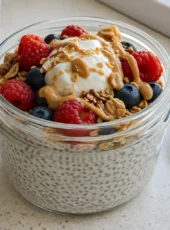
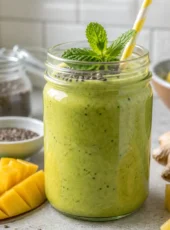
Eat a breakfast with fiber, protein, and healthy fat. Oatmeal with berries, chia seeds, and walnuts works. So does an easy anti-inflammatory breakfast smoothie when mornings are hectic.
Get a few minutes of daylight and movement if your schedule allows.
Midday
Build lunch around vegetables, beans, whole grains, fish, or another filling protein.
Take a short walk after eating.
Refill your water before returning to work.
If the afternoon gets stressful, step away for two minutes rather than letting tension build until dinner.
Evening
Make dinner mostly from minimally processed ingredients.
Move a little after eating if that feels good.
Dim the lights later in the evening, put work away, and give yourself a consistent wind-down period before bed.
That is it.
No detox tea. No heroic 4:30 a.m. workout. No need to spend your Sunday measuring chia seeds into matching glass jars unless that happens to bring you joy.
How Soon Can Anti-Inflammatory Habits Make a Difference?
There is no universal countdown.
Some changes, such as better hydration, more regular meals, increased movement, or improved sleep, may affect how you feel relatively quickly. Changes in chronic health conditions, lab markers, fitness, body composition, or metabolic health can take much longer.
Your starting point matters too.
Someone who moves from smoking, poor sleep, and very little activity to a healthier routine may experience different changes from someone who already has solid habits.
Be skeptical of promises that claim inflammation can be “flushed out” in a few days.
Your body is not a dirty coffee machine.
Think in months and years, not weekend cleanses.
When Should You Talk to a Doctor About Inflammation?
Do not assume every ache, digestive problem, headache, skin change, or tired afternoon means you have chronic inflammation.
Those symptoms can have many causes.
Talk with a healthcare professional if you have persistent or unexplained symptoms such as:
- Ongoing pain or swelling
- Persistent fatigue
- Fever
- Unexplained weight changes
- Digestive symptoms that keep returning
- Joint stiffness or swelling
- New skin symptoms
- Symptoms that interfere with normal daily life
A clinician can evaluate what is actually happening rather than making you guess based on a social-media checklist.
Also talk with your healthcare team before making major changes to exercise, diet, alcohol intake, or supplements if you have a medical condition, take medications, are pregnant, or have a history of disordered eating.
Key Takeaways
The most useful anti-inflammatory habits are not exotic.
- Eat mostly whole and minimally processed foods.
- Get fiber from plants throughout the day.
- Choose foods rich in unsaturated fats and omega-3s.
- Reduce added sugar and heavily processed foods.
- Move every day.
- Protect your sleep.
- Find regular ways to release stress.
- Drink water consistently.
- Take care of your teeth and gums.
- Avoid smoking and limit other habits that harm long-term health.
Pick two. Repeat them. Add more when those feel normal.
That approach may look less dramatic than a seven-day reset, but it has one enormous advantage: you can actually keep doing it.
FAQ
What are the best daily anti-inflammatory habits?
Focus on whole foods, regular movement, enough sleep, stress management, hydration, oral care, and avoiding smoking. You do not need to start every habit at once. Begin with the changes that fit your current routine.
What is a good morning habit for inflammation?
A balanced breakfast, water, daylight exposure, and a short walk can make a simple morning routine. The most useful habit is the one you can repeat consistently rather than an elaborate morning ritual you abandon after three days.
Does walking help reduce inflammation?
Regular physical activity, including walking, is associated with better overall health and has been studied for its relationship with inflammatory markers. The bigger benefit comes from making movement regular rather than relying on an occasional long workout.
Can lack of sleep increase inflammation?
Research has linked sleep loss with changes in inflammatory signaling. Maintaining a fairly consistent sleep schedule and giving yourself enough sleep are sensible parts of an anti-inflammatory lifestyle.
Can stress cause inflammation?
Long-term psychological stress can affect immune and hormonal processes involved in inflammation. Stress cannot always be removed, but regular recovery habits such as walking, relaxation, social connection, and adequate sleep can help.
Do I need an anti-inflammatory diet to lower inflammation?
You do not need a rigid branded diet. A whole-food eating pattern rich in vegetables, fruit, legumes, whole grains, nuts, seeds, healthy fats, and fish is a practical place to start.
How long does it take to reduce chronic inflammation?
There is no fixed timeline. It depends on the cause, your health, your starting habits, and any underlying medical conditions. Lifestyle changes work best as long-term habits rather than short-term fixes.
Have more questions about building anti-inflammatory habits? Ask in the comments.
Conclusion
Anti-inflammatory habits work best when they stop feeling like a health project and simply become part of your normal day.
Eat a little better more often. Walk when you can. Protect your sleep. Drink water. Floss your teeth. Find ways to come down from stress. And if one week goes sideways, start again at the next meal or the next morning.
You do not have to do ten things perfectly. Choose two habits that feel realistic and give them enough repetition to become boring.
Boring, in this case, is pretty useful.