
A Pumpkin Pie That Actually Supports Your Health? Yes, Please.
I never thought I’d say this as someone who once dreaded holiday desserts, but this anti-inflammatory pumpkin pie changed everything for me. After years of living with migraines and autoimmune flares, I knew sugar-heavy treats weren’t my friend. What I didn’t realize was that you could create a creamy, cozy pie that feels indulgent and still supports your body.
This recipe isn’t a compromise. It’s comfort food that loves you back with ingredients your gut, hormones, and taste buds will all thank you for.
Why You’ll Love This Anti-Inflammatory Pumpkin Pie
- Quick to make with just a few whole-food ingredients
- Naturally gluten-free and dairy-free with easy swaps for Paleo, Vegan, or Keto lifestyles
- Sweetened with dates and a touch of maple instead of refined sugar
- Packed with anti-inflammatory spices, antioxidants, gut-loving fiber, beta-carotene, and healthy fats that support your well-being
- Perfect for holiday tables, cozy weekends, or any day that needs a little extra comfort
What makes this pie stand out? It’s not just the clean ingredients or the silky texture. It’s the way each bite feels grounding and nourishing. You get that nostalgic pumpkin spice flavor without the crash or inflammation. This isn’t just dessert. It’s your body saying thank you.
Ingredient Spotlight: What Heals Instead of Hurts
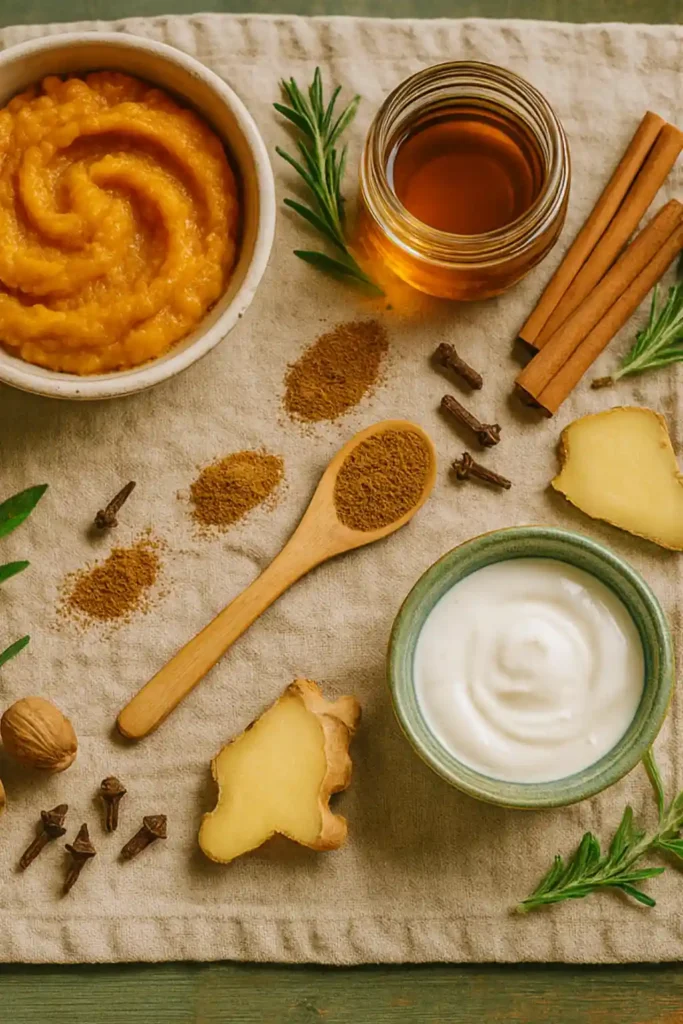
Every ingredient in this pumpkin pie earns its place. There’s no filler, no fluff, and definitely no gut-wrecking surprises. Let me walk you through the healing power behind each choice.
Pumpkin Purée
This isn’t just the seasonal star. Pumpkin is rich in beta-carotene, which the body converts into vitamin A. This helps lower oxidative stress and supports immune balance, both of which are essential for calming chronic inflammation.
Coconut Cream
Instead of dairy or evaporated milk, I use full-fat coconut cream. Its medium-chain fats are easier to digest and help support gut lining health, especially important for those with IBS or autoimmune triggers.
Date Purée and Maple Syrup
These natural sweeteners give depth and moisture without spiking blood sugar the way refined sugar does. Maple syrup also contains antioxidants, and dates bring in fiber and trace minerals like potassium and magnesium.
Ground Flaxseed
I love sneaking in flax wherever I can. It’s packed with alpha-linolenic acid, a plant-based omega-3 that helps quiet inflammatory pathways. It also helps bind the filling naturally.
Arrowroot Starch
Arrowroot thickens the pie gently. Unlike cornstarch, which can cause bloating in sensitive folks, arrowroot is easy on digestion and totally grain-free.
Almond and Cassava Flours
The crust in my classic version combines these two flours. Almond flour is rich in vitamin E and monounsaturated fats, both linked to reduced inflammation. Cassava keeps the crust tender and is gut-friendly for gluten-free eaters.
Warming Spices
Cinnamon, ginger, nutmeg, and cloves do more than flavor. These spices have been studied for their anti-inflammatory and antioxidant compounds. They work together like a gentle hug for your immune system.
Each element is chosen not just for flavor but for function. This is food as medicine, made sweet and satisfying.
Two Ways to Make This Anti-Inflammatory Pumpkin Pie: Classic or Crustless
When I first started baking with food sensitivities in mind, I quickly learned that flexibility was everything. Some days you want the full pie experience, crust and all. Other times, you want the creamy filling without the fuss. That’s why this recipe gives you both options.
The Classic Version
This one includes a tender crust made from almond and cassava flours. It holds together beautifully, has a light nutty flavor, and bakes up golden and fragrant. It’s perfect for holidays or when you want to serve something that looks like it came from a bakery but feels like home.
The Crustless Option
This is my go-to when I’m short on time or craving something lighter. The filling sets into a custard-like texture that slices clean but melts in your mouth. It still delivers all the warm spice and creamy richness, just with fewer steps and no rolling pin required.
Both versions bake evenly in the same pan size. You can even make them side by side if you’re hosting a group with mixed dietary needs.
Whether you choose the classic or the crustless route, you’ll get a pie that soothes rather than spikes. It’s a dessert with options, built for real life.
Substitutions That Work (And Why They Matter)
When you’re healing from inflammation, even one wrong ingredient can throw things off. That’s why every substitution in this pie isn’t just allowed, it’s intentional. Let me show you how to tweak it without losing the texture or the anti-inflammatory benefits.
Sweeteners
You can swap the maple syrup for honey if that’s what you have, but keep in mind that maple has a gentler effect on blood sugar. If you’re low on dates, try soaking raisins and blending them smooth. They bring similar fiber and nutrients with a slightly different flavor.
Fats
No coconut cream? Use full-fat canned coconut milk, just chill it, and scoop out the solid part. Ghee is another option for a richer taste and comes with anti-inflammatory compounds like butyrate, though it’s not dairy-free.
Egg-Free Swap
For a vegan version, mix ground flaxseed with warm water to make a binder. It adds extra omega-3s and keeps the custard smooth. Use one tablespoon of flax with three tablespoons of water per egg.
Flours
If you’re avoiding nuts, sunflower seed flour works well in place of almond flour. For cassava, you can try tigernut flour or oat flour if you tolerate grains. Each option shifts the flavor slightly but keeps the texture close.
Spices
Freshly grated ginger adds more kick than dried. If you want to dial things down, reduce the cloves but keep the cinnamon and nutmeg for that familiar pumpkin pie profile.
These swaps aren’t just about allergy workarounds. There are ways to personalize your pie so your body feels supported, not stressed. Healing starts with what you choose to keep in, not just what you leave out.
Make It Your Own: Paleo, Vegan & Keto Variations
One of the most beautiful parts of healing with food is learning to listen to your body and honor its unique needs. There is no one-size-fits-all path to wellness. Your body knows how to heal. Let’s just support it with the nourishment that feels best for you.
This recipe is wonderfully flexible. Here are a few simple swaps to adapt it to your personal lifestyle, ensuring everyone has a seat at the holiday table.
For a Perfect Paleo Pumpkin Pie
Our main recipe is already gluten-free, dairy-free, and grain-free, so we are just a tiny step away from being perfectly Paleo. While pure maple syrup is often enjoyed in moderation in Paleo circles, some prefer to use unrefined granulated sweeteners.
- The Simple Swap: If you prefer, simply swap the ⅓ cup of maple syrup in the filling for an equal amount of coconut palm sugar. It will dissolve beautifully into the filling and add a slightly deeper, more caramel-like flavor.
For a 100% Vegan Pumpkin Pie
To make this recipe completely plant-based, we just need to replace the eggs. We can do this easily with a classic baker’s trick: the “flax egg.” It works wonderfully here to bind the filling together.
- The Simple Swap: To replace the 2 eggs, we will make two “flax eggs.” For each one, simply whisk together 1 tablespoon of ground flaxseed with 3 tablespoons of water. Let the mixture sit for about 5-10 minutes, until it thickens into a gel-like consistency. Add this gel to the blender along with the other filling ingredients. The finished pie will have a slightly denser, more custardy texture, which is absolutely delicious.
For a Low-Carb / Keto Pumpkin Pie
With just one key change, this pumpkin pie can easily fit into a low-carb or ketogenic lifestyle. The main adjustment here is the sweetener.
- The Simple Swap: Replace the ⅓ cup of maple syrup and date purée with a high-quality, powdered monk fruit or erythritol blend. A 1:1 replacement usually works well, but I always recommend checking the packaging of your specific sweetener, as its potency can vary. Remember that pumpkin itself has natural carbs, so be mindful of your portion size to stay within your daily goals.
Storage, Make-Ahead Tips, and Serving Suggestions
One of the best parts about this pumpkin pie is how well it fits into real life. Whether you’re prepping for a holiday gathering or just baking ahead for a calm weekend treat, this pie has you covered.
Storage
Once cooled, store the pie in the fridge. I like using a beeswax wrap or a glass container to keep it fresh. It holds well for up to four days, and the flavors actually deepen overnight. The crust stays tender, and the filling remains smooth and sliceable.
Freezing
You can freeze this pie, but I recommend freezing slices rather than the whole pie. Wrap individual pieces in parchment and place them in a sealed container. To enjoy, let a slice thaw in the fridge overnight. A quick warm-up in the oven makes it feel freshly baked.
Make-Ahead
You can prepare the crust a day or two in advance and keep it chilled. The filling can also be mixed ahead of time. Just give it a good stir before pouring it into the crust or baking dish. If you’re hosting, this means one less thing to worry about on the day of.
Serving
Serve chilled straight from the fridge or bring it to room temperature if you prefer a softer bite. I love topping it with a dollop of coconut whipped cream and a sprinkle of cinnamon. For the crustless version, a little spoonful of almond butter on the side adds richness without dairy.
This pie isn’t fussy. It’s built for flexibility and made to nourish. Whether you’re baking for guests or just for yourself, it fits right into your healing rhythm.
What Makes This Pie Truly Anti-Inflammatory
Plenty of recipes throw around the term “anti-inflammatory” without explaining what it means. I don’t believe in fluff. Let’s break down exactly why this pumpkin pie earns that label.
Low-Glycemic Sweeteners
Spiking your blood sugar leads to an inflammatory response. This pie avoids that by using sweeteners like maple syrup and dates. Both are lower on the glycemic index and packed with antioxidants that help protect your cells.
Healthy Fats That Heal
Coconut cream and flaxseed don’t just make things creamy. They deliver medium-chain fats and plant-based omega-3s. These fats help reduce C-reactive protein, a common inflammation marker.
Fiber-Rich Ingredients
Pumpkin, dates, and flaxseed all provide soluble fiber. That’s the kind that feeds your good gut bacteria, supports digestion, and keeps your immune system balanced.
Spice Synergy
Cinnamon, ginger, cloves, and nutmeg work better together than alone. Each contains different compounds that reduce inflammation through different pathways. It’s not just flavor, it’s function.
Gluten-Free and Grain-Light
Using almond and cassava flours removes a major source of digestive irritation for many. Even if you’re not celiac, cutting out gluten can ease the immune system’s load, especially during flare-ups.
No Processed Oils or Dairy
Refined oils like soybean or canola can worsen inflammation. This pie skips them completely. By using whole-food fats and skipping dairy, you avoid common triggers linked to bloating and joint pain.
Everything in this pie has been chosen with care. It’s not about restriction. It’s about creating something that supports your body with every bite. That’s real healing. And it just happens to taste like dessert.
Frequently Asked Questions
Is pumpkin pie anti-inflammatory?
Yes, when made with whole foods like pumpkin, natural sweeteners, and spices such as cinnamon, ginger, and turmeric. This version avoids refined sugar and dairy, making it a supportive choice for inflammation.
Is pumpkin pie ok for IBD?
For many people with IBD, this recipe is gentle and gut-friendly. Pumpkin, flaxseed, and coconut cream are soothing ingredients. If you are in a flare, lighten the spices and skip black pepper. Always check with your healthcare provider for personal guidance.
What is the healthiest pie you can eat?
The healthiest pie is one that nourishes and delights. This anti-inflammatory pumpkin pie offers fiber, antioxidants, and healthy fats without refined sugar or processed fillers. It’s a dessert you can enjoy while still supporting your body.
Is arrowroot better than cornstarch for inflammation?
Yes. Arrowroot is easier on the gut and comes from a tuber, not corn. It thickens beautifully and works well for those with corn sensitivities or autoimmune concerns.
How do I keep the filling from cracking?
Let the pie cool slowly. Once it’s done baking, turn the oven off and crack the door slightly. Let it sit for about ten minutes before moving it to the counter. This gradual cooling helps avoid cracks.
Final Thoughts from My Kitchen to Yours
I didn’t create this pie to impress anyone. I created it because I needed something that felt safe and tasted like home. Something I could bring to the table during the holidays and know I wouldn’t pay for later with brain fog or sore joints.
This pumpkin pie isn’t a compromise. It’s a celebration of what real food can do when we choose it with care. It proves that healing and tradition can sit on the same plate.
So whether you bake the classic version with the almond-cassava crust or go crustless for simplicity, know this: you’re choosing nourishment. You’re choosing comfort that comes without regret. And you’re showing your body the same kindness you show others when you serve something made with love.
From my kitchen in Asheville to yours, thank you for making space at your table for this healing dessert. You deserve food that feels good from the first bite to the last.

Anti-Inflammatory Pumpkin Pie (Classic and Crustless)
8
servings15
minutes50
minutes1
hour5
minutesCreamy anti-inflammatory pumpkin pie with wholesome, gut-friendly ingredients. Includes classic crust and crustless options.
Ingredients
- Filling (for both versions)
1 1 ¾ cups pumpkin purée
½ cup full-fat coconut cream
⅓ cup maple syrup
¼ cup date purée
2 large 2 eggs (or flax eggs for a vegan option)
2 tablespoons 2 ground flaxseed
2 teaspoons 2 cinnamon
½ teaspoon ground ginger
¼ teaspoon nutmeg
⅛ teaspoon ground cloves
1 tablespoon 1 arrowroot starch
Pinch sea salt
- Classic Crust
1 cup 1 almond flour
½ cup cassava flour
2 tablespoons 2 coconut oil (solid)
1 tablespoon 1 maple syrup
1 1 –2 tablespoons water, as needed
Pinch sea salt
Directions
- Prepare the Crust
- Preheat the oven to 350°F (175°C).
- In a bowl, combine almond flour, cassava flour, sea salt, and coconut oil.
- Mix with a fork until crumbly. Add maple syrup and just enough water to form a soft dough.
- Press into a 9-inch pie dish and bake for 10 minutes. Set aside.
- Make the Filling
- In a mixing bowl, whisk together pumpkin purée, coconut cream, maple syrup, and date purée until smooth.
- Add eggs (or flax eggs), flaxseed, spices, arrowroot starch, and salt. Mix until fully combined.
- Pour into the pre-baked crust or directly into a greased 9-inch pie dish for the crustless version.
- Bake
- Bake at 350°F (175°C) for 45–50 minutes.
- The center should be set but slightly jiggly.
- Turn off the oven, crack the door slightly, and let the pie cool for 10 minutes before removing.
- Cool completely, then refrigerate for at least 2 hours before serving.
- Serve
- Add coconut whipped cream or a light dusting of cinnamon.
- Store leftovers in the fridge for up to 4 days.
- Freeze slices individually if needed.
Nutrition Facts
- Calories: 265kcal
- Fat: 14g
- Saturated Fat: 6g
- Carbohydrates: 30g
- Fiber: 5g
- Sugar: 17g
- Protein: 6g