
If you’ve been searching for an anti-inflammatory breakfast smoothie that doesn’t leave you hungry an hour later, this one hits the sweet spot. It blends naturally anti-inflammatory ingredients with enough fiber, healthy fats, and plant-based goodness to keep your energy steady all morning.
This isn’t just another “healthy drink.” It’s a real breakfast in a glass, creamy, refreshing, and surprisingly satisfying. Plus, it comes together in minutes, which honestly makes mornings a lot less chaotic. Ready to upgrade your routine without overthinking it? Let’s get into it.
Why You’ll Love This Anti-Inflammatory Breakfast Smoothie
- Ready in 5 minutes
No prep stress, just toss everything in and blend. - Actually keeps you full
Thanks to fiber and natural carbs, you won’t be reaching for snacks right away. - Naturally sweet, no added sugar
The fruit does all the heavy lifting here. - Easy to tweak
Want more protein? Less sweetness? You’ve got options. - Bright, fresh flavor
Tropical fruit + greens is one of those combos that just works.
Ingredients and Smart Substitutions

Here is what you will need:
- 1 cup frozen mango chunks
- ½ cup frozen pineapple
- 1 cup fresh spinach
- ½ cup plain yogurt
- ½ cup unsweetened almond milk
- 1 tablespoon chia seeds
- 1 teaspoon fresh grated ginger
- ½ teaspoon ground turmeric
- ½ teaspoon vanilla extract
- 1 teaspoon honey (optional)
Why these ingredients work
- Mango + pineapple
Bring natural sweetness and vitamin C, which helps support your immune system. - Spinach
Adds fiber and antioxidants without overpowering the flavor. - Chia seeds
A simple way to add fiber and omega-3s, which are linked to reduced inflammation. You can read more about their role in nutrition through this omega-3 fatty acids overview from NIH. - Ginger + turmeric
These two are the real anti-inflammatory stars. They’re widely studied for their role in reducing inflammation markers. - Yogurt
Adds creaminess and a bit of protein to make this more filling.
Easy substitutions
- No yogurt? Use coconut yogurt for a dairy-free version
- Want it higher in protein? Add a scoop of protein powder
- Too sweet? Skip the honey and add more greens
- No almond milk? Any milk works here
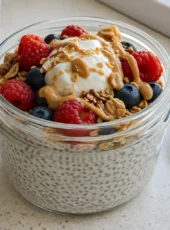
If you’re building a routine, pairing this with ideas from this anti-inflammatory overnight oats gidue can make mornings even easier.
How to Make This Anti-Inflammatory Breakfast Smoothie (Step-by-Step)

- Add liquids first
Pour almond milk into your blender, followed by yogurt and vanilla. This helps everything blend smoothly. - Layer in soft ingredients
Add spinach, ginger, and turmeric. Placing these closer to the blades helps break them down fully. - Add frozen fruit last
Toss in mango and pineapple. This keeps the texture thick and chilled. - Blend until smooth
Blend for about 30–60 seconds, until creamy and fully combined. No leafy bits should remain. - Adjust consistency
Too thick? Add a splash of milk. Too thin? Add a few more frozen mango chunks. - Taste and tweak
Add honey if needed, depending on how sweet you like it.
How This Smoothie Fights Inflammation (And Keeps You Full)
Most smoothie recipes stop at “it’s healthy.” Cool… but why does this one actually work?
This combo is built to support your body on two fronts: reducing inflammation and keeping your energy steady. No sugar crashes, no mid-morning hunger spiral.
Anti-inflammatory ingredients doing the heavy lifting
- Turmeric + ginger
These two are known for helping reduce inflammation in the body. They’ve been studied for their role in calming inflammatory responses and supporting joint and gut health. - Spinach
Loaded with antioxidants that help your body deal with oxidative stress. Plus, it quietly adds nutrients without messing with the flavor. - Chia seeds
Tiny but powerful. They provide omega-3s and fiber, both linked to better control of inflammation.
Why it actually keeps you full
Ever had a smoothie that tasted great… then left you hungry 45 minutes later? Yeah, same.
Here’s what makes this one different:
- Fiber from fruit + chia seeds
Slows digestion, so you feel full longer. - Healthy fats
Chia seeds help balance blood sugar and prevent energy dips. - Natural carbs (not added sugar)
Fruit gives you energy without the crash you’d get from sugary drinks. If you want to understand how added sugars affect your body, this CDC guide on daily sugar intake is worth a quick look.
The “balanced breakfast” effect
This smoothie hits three key things your body wants in the morning:
- Steady energy
- No inflammation spikes
- Real satiety
If you’re building better habits overall, pairing this with ideas from this high-protein anti-inflammatory meal plan can make a big difference over time.
Expert Tips for the Best Texture and Flavor

Let’s be honest, a smoothie can go wrong fast. Too bitter, too watery, or somehow both at the same time. Here’s how to get it right every single time.
Fix that bitter taste (yes, it happens)
- Balance your greens
Spinach is mild, but if it starts tasting “too green,” just add a bit more mango or pineapple. - Use ripe fruit
Underripe fruit = dull flavor. Frozen ripe fruit is your best friend here. - Add a small sweet boost if needed
A little honey or even half a banana can smooth everything out without overdoing it.
If you’re experimenting more with ingredients, this anti-inflammatory grocery list helps you pick options that actually work together.
Get the perfect consistency
- Too thick?
Add almond milk a little at a time, don’t dump it all in at once. - Too thin?
Toss in more frozen mango or even a few ice cubes. - Want it extra creamy?
Use more yogurt or add half an avocado. Sounds fancy, tastes amazing.
Blending order actually matters
Most people just throw everything in randomly. That’s how you get chunks.
Here’s the better way:
- Liquids first
- Soft ingredients (spinach, yogurt)
- Frozen fruit last
This helps your blender work smarter, not harder.
Small upgrades that make a big difference
- Add flaxseeds for extra fiber
- Sprinkle in cinnamon for warmth and flavor
- Drop in a few ice cubes if you like it extra cold
Want more snack ideas that follow the same approach? Check out these anti-inflammatory snack ideas for easy add-ons during the day.
Quick reality check
If your smoothie tastes off, it’s usually one of three things:
- Not enough sweetness
- Too much liquid
- Weak blending
Fix those, and you’re back on track.
Variations to Match Your Goals
One of the best things about this healthy smoothie? You can tweak it without messing everything up. Whether you want more protein, less sugar, or better digestion, here are a few easy upgrades.
High-Protein Version (Keeps you full even longer)
If your smoothie usually doesn’t hold you over, this is the fix.
- Add 1 scoop vanilla or unflavored protein powder
- Or swap yogurt for Greek yogurt
- Or add 2 tablespoons hemp seeds
This turns your smoothie into something that actually feels like a full meal, not just a quick drink.
Low-Sugar Version (More stable energy)
Trying to cut back on sugar? Easy adjustment.
- Skip the honey completely
- Reduce mango slightly
- Add more spinach or even zucchini (yes, really, you won’t taste it)
You’ll still get flavor, just without the sugar spike.
Gut-Friendly Version (Better digestion)
If your stomach is a bit sensitive in the morning, try this:
- Add 1 tablespoon ground flaxseed
- Use probiotic-rich yogurt
- Toss in a few slices of fresh ginger
Small changes, but they can make a noticeable difference.
Energy Boost Version (For busy mornings)
Need something that keeps you going without coffee overload?
- Add 1 tablespoon of almond butter
- Sprinkle in a little cinnamon
- Optional: a few oats for slow-releasing carbs
This version is great if you’ve got a long morning ahead and no time for snacks.
Quick tip
Don’t try all upgrades at once. Pick one goal, adjust, and see how your body responds. That’s how you actually find what works for you.
Serving and Storage Tips
This smoothie is best fresh, but let’s be real, mornings aren’t always that smooth. Here’s how to make it work for your schedule.
Best way to serve it
- Drink it right after blending for the best texture and flavor
- Use a chilled glass if you like it extra refreshing
- Want to make it feel more like a meal? Top it with a few chia seeds or sliced fruit
Make-ahead (without ruining it)
If you need to prep in advance:
- Store it in an airtight jar in the fridge
- Drink within 24 hours
- Give it a good shake or quick re-blend before drinking
Separation is normal, don’t panic, just mix it back together.
Freezer smoothie packs (huge time-saver)
This is the move if your mornings are chaotic.
- Pre-portion mango, pineapple, spinach, and ginger into freezer bags
- When ready, just dump into the blender with liquid and yogurt
- Blend and go
You’ll cut prep time down to basically nothing.
What not to do
- Don’t leave it sitting at room temperature too long
- Don’t over-add liquid before storing, it gets watery fast
- Don’t skip shaking or re-blending, texture matters
Conclusion
If you’ve been stuck with smoothies that taste good but don’t actually do much, this anti-inflammatory breakfast smoothie is a solid upgrade. It’s simple, balanced, and built to keep you going, not just for 30 minutes, but through your morning.
The best part? You don’t need to overthink it. Once you’ve made it a couple of times, it becomes second nature. Toss, blend, done. And if you like experimenting, those variations give you plenty of room to keep things interesting.
Give it a try tomorrow morning and see how you feel. Big difference or just a small boost? Either way, it’s a step in the right direction.
FAQ
What is the best anti-inflammatory breakfast smoothie?
The best one includes a mix of fruits, leafy greens, healthy fats, and anti-inflammatory ingredients like ginger or turmeric. It should also keep you full, not just taste good.
Can smoothies really reduce inflammation?
Yes, when made with the right ingredients. Foods rich in antioxidants, omega-3s, and phytonutrients can help support your body’s natural response to inflammation.
What ingredients should I avoid in anti-inflammatory smoothies?
Try to limit added sugars, flavored syrups, and highly processed ingredients. These can cancel out the benefits you’re aiming for.
How do I make a smoothie more filling?
Add protein (like yogurt or protein powder), fiber (chia or flax), and healthy fats. These slow digestion and help you stay full longer.
Is it okay to drink a smoothie every morning?
For most people, yes, as long as it’s balanced and not overloaded with sugar. Variety is still a good idea, though.
Can I skip the greens?
You can, but you’ll miss out on fiber and nutrients. If the taste is the issue, start with a small amount and build up.
How do I add more protein?
Easy options include Greek yogurt, protein powder, hemp seeds, or even nut butter.
Got more questions? Drop them in the comments and let’s figure it out together 👇

Best Anti-Inflammatory Breakfast Smoothie
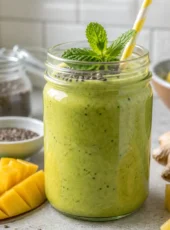
A creamy anti-inflammatory breakfast smoothie made with mango, pineapple, spinach, ginger, turmeric, chia seeds, and yogurt. It’s naturally sweet, refreshing, and filling enough for a busy morning.
1
servings5
minutes0
minutes5
minutesIngredients
1 cup frozen mango chunks
½ cup frozen pineapple
1 cup fresh spinach
½ cup plain yogurt
½ cup unsweetened almond milk
1 tablespoon chia seeds
1 tablespoon chia seeds
1 teaspoon fresh grated ginger
½ teaspoon ground turmeric
½ teaspoon vanilla extract
1 teaspoon honey, optional
Directions
- Pour almond milk into the blender first, then add yogurt and vanilla extract.
- Add spinach, grated ginger, turmeric, and chia seeds.
- Add frozen mango and pineapple on top.
- Blend for 30 to 60 seconds, until smooth and creamy.
- If the smoothie is too thick, add a splash of almond milk. If it is too thin, add more frozen fruit.
- Taste, add honey if needed, and serve right away.
Notes
- Use ripe frozen fruit for the best flavor.
For a thicker smoothie, use less almond milk or add more frozen mango.
For extra protein, add Greek yogurt or a scoop of protein powder. - This smoothie is naturally vegetarian, gluten-free, and refined sugar-free. It can easily be made vegan or dairy-free by using plant-based yogurt and skipping honey. For a higher protein version, add protein powder or Greek yogurt.
Nutrition Facts
- Calories: 320kcal
- Fat: 10g
- Carbohydrates: 45g
- Fiber: 8g
- Sugar: 28g
- Protein: 10g