
A high-protein anti-inflammatory meal plan helps you stay full, keep energy steady, and support your body in managing inflammation through food choices. By combining lean proteins with nutrient-rich ingredients like vegetables, healthy fats, and whole grains, you create meals that actually work with your body, not against it.
Think of this as a simple, realistic way to eat better without overthinking every bite. No complicated rules, no hard-to-find ingredients. Just balanced meals you can stick with. Ready to see what a full week can look like?
What Is a High-Protein Anti-Inflammatory Meal Plan?
A high-protein anti-inflammatory meal plan focuses on two things: giving your body enough protein to support muscle and energy, while choosing foods that help reduce inflammation.
How protein supports fullness and steady energy
Protein slows digestion, which means you stay full longer and avoid those mid-afternoon crashes. It also helps maintain muscle, especially if you’re active or trying to manage weight.
How anti-inflammatory foods fit into daily meals
Anti-inflammatory foods are easy to add to your daily meals. Think leafy greens, berries, fatty fish, olive oil, and spices like turmeric. When you eat these regularly, they can help reduce ongoing inflammation in the body.
Who this plan is best for
This kind of meal plan works well if you:
- Want better energy throughout the day
- Are trying to reduce inflammation-related symptoms
- Want a simple structure for healthy eating
- Need meals that actually keep you full
High-Protein Anti-Inflammatory Meal Plan Goals
Before jumping into the meals, it helps to know what you’re aiming for.
Daily protein target
Most people benefit from around 80–110g of protein per day, depending on body size and activity level. Spreading protein across meals works better than loading it all into dinner.
Fiber target
Aim for 25–35g of fiber daily. Fiber supports digestion and works alongside anti-inflammatory foods like legumes, vegetables, and whole grains.
Added sugar approach
Keep added sugar low. Natural sugars from fruit are fine, but cutting back on processed sweets helps reduce inflammation triggers.
Calories and how to adjust them
You can scale portions up or down depending on your needs. Add snacks or increase portions for higher calories, or slightly reduce grains and fats if you want fewer calories.
Foods to Eat More Often
Building your meals gets easier when you know your go-to ingredients.
Best high-protein foods
- Chicken breast, turkey
- Salmon, sardines
- Eggs and Greek yogurt
- Lentils, chickpeas, black beans
- Tofu and tempeh
Best anti-inflammatory foods
- Leafy greens like spinach and kale
- Berries, cherries, oranges
- Olive oil and avocado
- Nuts and seeds
- Fatty fish rich in omega-3s
Omega-3 fats play a key role in reducing inflammation, as explained in this omega-3 fatty acids overview from NIH.
Pantry staples that make this easier
- Quinoa and brown rice
- Canned beans and lentils
- Olive oil
- Garlic, ginger, turmeric
- Frozen vegetables and fruit
Foods to Limit
If you’re following an anti inflammatory diet plan, it helps to limit foods that may increase inflammation, like processed snacks, added sugars, and refined grains.
Added sugars
Sugary drinks, desserts, and packaged snacks can increase inflammation when eaten often.
Highly processed snacks
Chips, packaged pastries, and fast food tend to combine unhealthy fats and refined carbs.
Refined grains
White bread, white pasta, and similar foods digest quickly and don’t offer much fiber.
Too much saturated fat
Focus on balance. The healthy fats guidelines from the American Heart Association explain how replacing saturated fats with healthier options supports overall health.
7-Day High-Protein Anti-Inflammatory Meal Plan
This 7-day high-protein meal plan is designed to be simple, filling, and easy to follow. Each day includes balanced meals that fit into a high-protein anti-inflammatory meal plan, with options you can prep ahead to save time.
Day 1
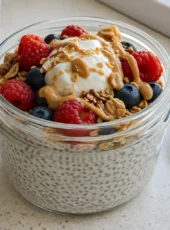
Breakfast: Greek yogurt with berries, chia seeds, and walnuts
Lunch: Black bean quinoa bowl with avocado, hummus-lime dressing, and fresh toppings
Dinner: turmeric chicken soup made with ginger, vegetables, and tender chicken
Snack: Apple with almond butter
Daily Totals: Calories: ~1,845, Fat: ~75g, Protein: ~99g, Carbohydrates: ~201g, Fiber: ~44g, Sodium: ~1,780mg
Prep tip: Cook extra quinoa and chicken today, you’ll use them again.
Day 2
Breakfast: Scrambled eggs with spinach and avocado
Lunch: Leftover chicken quinoa bowl
Dinner: Turkey stir-fry with mixed vegetables and brown rice
Snack: Greek yogurt with cinnamon
Daily Totals: Calories: ~1,725, Fat: ~69g, Protein: ~103g, Carbohydrates: ~163g, Fiber: ~27g, Sodium: ~1,520mg
Prep tip: Chop extra vegetables while cooking dinner to save time tomorrow.
Day 3
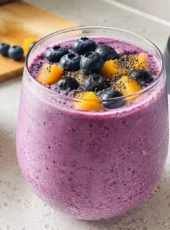
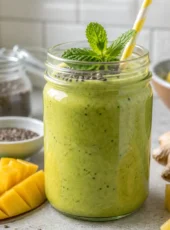
Breakfast: Protein smoothie with spinach, frozen berries, protein powder, almond milk
Lunch: Lentil salad with olive oil, lemon, and herbs
Dinner: Baked chicken with roasted carrots and quinoa
Snack: Handful of almonds
Daily Totals: Calories: ~1,815, Fat: ~67g, Protein: ~107g, Carbohydrates: ~184g, Fiber: ~34g, Sodium: ~1,335mg
Prep tip: Make a big batch of lentils for the next two days.
Day 4
Breakfast: Oatmeal with chia seeds, blueberries, and Greek yogurt
Lunch: turmeric chicken salad with tender chicken, yogurt, and warm spices
Dinner: Nightshade-Free Cabbage Rolls by bone broth and fresh aromatics
Snack: Carrots with hummus
Daily Totals: Calories: ~1,875, Fat: ~68g, Protein: ~117g, Carbohydrates: ~185g, Fiber: ~33g, Sodium: ~2,140mg
Day 5
Breakfast: Eggs with sautéed kale and whole-grain toast
Lunch: Salmon salad with olive oil and mixed greens
Dinner: Grilled steak, crisp greens, and creamy avocado with a zesty chimichurri dressing
Snack: Cottage cheese with berries
Daily Totals: Calories: ~1,940, Fat: ~102g, Protein: ~132g, Carbohydrates: ~98g, Fiber: ~22g, Sodium: ~1,760mg
Day 6
Breakfast: raspberry peach chia seed smoothie
Lunch: Leftover chimichurri steak
Dinner: Chicken stir-fry with broccoli, peppers, and quinoa
Snack: Apple with walnuts
Daily Totals: Calories: ~1,900, Fat: ~76g, Protein: ~100g, Carbohydrates: ~190g, Fiber: ~30g, Sodium: ~1,650mg
Prep tip: Batch-cook chicken for the final day.
Day 7
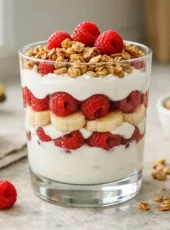
Breakfast: Greek yogurt bowl with raspberries, banana, granola, and chia seeds
Lunch: Tuna salad made with Greek yogurt, fresh vegetables, and olive oil
Dinner: Baked cod with roasted vegetables and brown rice
Snack: Dark chocolate (small portion) and almonds
Daily Totals: Calories: ~1,820, Fat: ~70g, Protein: ~119g, Carbohydrates: ~197g, Fiber: ~28g, Sodium: ~1,670mg
Prep tip: Use up remaining ingredients to avoid waste.
Simple Meal Prep Plan for the Week
Want to make this even easier? A little prep goes a long way.
What to prep first
Start with proteins:
- Grill or bake chicken
- Cook a batch of lentils
- Prepare quinoa or brown rice
What to cook in batches
- Grains like quinoa and rice
- Roasted vegetables
- Proteins like chicken and turkey
Batch cooking saves time and helps you avoid last-minute unhealthy choices.
What to store separately
Keep sauces, dressings, and fresh herbs separate so meals don’t get soggy.
How to avoid boring leftovers
Switch things up:
- Change sauces (lemon, tahini, olive oil)
- Use different spices
- Turn bowls into wraps or salads
Grocery List by Category
Here’s everything you need for the week, organized so shopping is quick.
Protein
- Chicken breast
- Salmon and cod
- Ground turkey
- Eggs
- Greek yogurt
- Lentils and beans
- Protein powder
Fruits and vegetables
- Spinach, kale, broccoli
- Sweet potatoes, carrots
- Bell peppers, cucumber
- Berries, apples, bananas
- Asparagus
For a deeper breakdown, this anti-inflammatory foods list for beginners helps you swap or add options.
Whole grains and starches
- Quinoa
- Brown rice
- Oats
- Whole-grain bread
Healthy fats
- Olive oil
- Avocado
- Nuts and seeds
Herbs, spices, and extras
- Garlic, ginger
- Turmeric
- Cinnamon
- Lemon
- Hummus
Easy Swaps and Customizations
This plan is flexible. You don’t need to follow it perfectly to see results.
No dairy
- Swap Greek yogurt for coconut or almond yogurt with added protein
- Use dairy-free protein powder in smoothies
- Replace cottage cheese with hummus or extra eggs
No fish
Not a fan of salmon or cod? No problem.
- Use chicken, turkey, or tofu instead
- Add chia seeds or flaxseeds for plant-based omega-3s
- Keep olive oil as your main fat source
Vegetarian
- Focus on lentils, beans, tofu, and tempeh
- Combine protein sources (like rice + beans) for better balance
- Add nuts and seeds for extra protein and healthy fats
Gluten-free
- Stick with quinoa, rice, oats (certified gluten-free)
- Skip regular bread and use gluten-free options
Budget-friendly
Eating well doesn’t have to be expensive.
- Buy frozen vegetables and fruit
- Use canned beans and lentils
- Choose cheaper protein sources like eggs and chicken thighs
If you want more low-cost options, check out these budget anti-inflammatory foods under $5 to keep your grocery bill in check.
Higher or lower calorie needs
- Add snacks or increase portions for more calories
- Reduce grain portions slightly if you want fewer calories
Tips to Make the Plan Work in Real Life
Let’s be honest, the plan only works if you actually follow it.
Keep backup meals ready
Have a few quick options like:
- Greek yogurt + fruit
- Eggs + toast
- Leftover chili
You’ll thank yourself on busy days.
Repeat meals without guilt
You don’t need 21 different meals in a week. Repeating meals saves time and keeps things simple.
Balance protein, fiber, and color
A quick rule:
Protein + fiber + healthy fat = a solid meal.
Think chicken + quinoa + veggies + olive oil. Done.
Watch sodium if needed
If you’re using canned foods, rinse them. It helps reduce sodium quickly without extra effort.
Key Takeaways
- Aim for 80–110g of protein daily
- Focus on whole, anti-inflammatory foods
- Prep a few basics to save time
- Keep meals simple and repeatable
- Adjust portions based on your goals
Conclusion
A high-protein anti-inflammatory meal plan doesn’t need to feel strict or complicated. Once you get the basics down, it becomes second nature. You’ll start noticing better energy, fewer cravings, and meals that actually keep you satisfied.
The best part? You can tweak everything to fit your lifestyle. Swap ingredients, repeat meals, keep it simple. That’s how you stick with it long term.
Give this plan a try for a week and see how you feel. You might be surprised how much easier healthy eating can be.
FAQs
Is a high-protein anti-inflammatory meal plan good for weight loss?
Yes, it can help. Protein keeps you full, and anti-inflammatory foods support better overall eating habits. Together, they make it easier to maintain a calorie balance.
How much protein should I eat per day?
Most people do well with 80–110g per day, but it depends on your size and activity level.
What breakfast is high in protein and anti-inflammatory?
Greek yogurt with berries, eggs with greens, or a smoothie with protein powder and spinach are all great options.
Can I follow this meal plan without fish?
Yes. Swap fish for chicken, turkey, tofu, or legumes. Add seeds like flax or chia for omega-3 fats.
Are eggs anti-inflammatory?
Eggs can fit into an anti-inflammatory diet for most people. Pair them with vegetables and healthy fats for balance.
What snacks fit this plan?
Good options include:
Greek yogurt
Nuts and fruit
Hummus with vegetables
Can I meal prep the whole week?
Yes, and it helps a lot. Focus on cooking proteins, grains, and vegetables in advance, then mix and match during the week.