Reviewed by Dr. Jane Smith, MD
Turmeric isn’t just that bright yellow spice sitting in your kitchen. It’s basically nature’s version of a multivitamin with a bold personality. When it comes to overall wellness, turmeric benefits stand out for their wide-ranging impact on the body and mind. Thanks to its main compound, curcumin, turmeric helps calm inflammation, supports brain function, boosts your mood, and may even protect your heart. Let’s break down what science says and how you can make turmeric truly work for you.
Quick Overview: Top Turmeric Benefits
Before diving deeper, here’s a quick look at the most important turmeric benefits that make this golden spice such a powerhouse for your health:
- Reduces inflammation and supports joint comfort naturally
- Boosts brain function and helps improve memory and focus
- Supports heart health by promoting healthy cholesterol levels
- Enhances skin glow and helps reduce acne or irritation
- Balances hormones and may ease PMS or menopause symptoms
This quick snapshot shows why turmeric has earned its reputation as one of the most trusted natural remedies for overall wellness.
Turmeric vs Curcumin
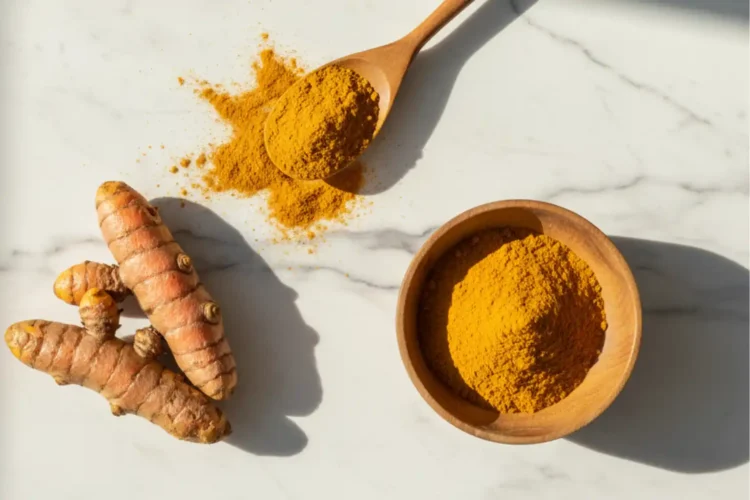
Many people use the words turmeric and curcumin as if they mean the same thing, but there is an important difference. Turmeric is the golden root itself, used as a spice or supplement, while curcumin is the main active ingredient inside it. Curcumin belongs to a group of compounds called curcuminoids, which are responsible for most of turmeric’s healing effects.
These bioactive compounds give turmeric its deep yellow color and powerful antioxidant properties that help protect cells from damage caused by stress and free radicals. While the amount of curcumin in raw turmeric is small, even a little can make a big difference when combined with the right foods.
According to a review published by the National Institutes of Health (NIH), curcumin has been shown to influence multiple biological pathways related to inflammation, oxidative stress, and chronic disease prevention.
Understanding this distinction helps you choose the best way to use turmeric for your health goals and unlock its full potential.
What Makes Turmeric So Powerful?
Turmeric’s secret weapon is curcumin, a natural compound celebrated for its strong anti-inflammatory properties and powerful antioxidant effects. Curcumin doesn’t act alone. It works alongside other curcuminoids, a group of bioactive compounds that help neutralize free radicals, the unstable molecules that cause oxidative damage in the body.
In simple terms, curcumin helps your body fight inflammation and recover faster. That’s why people often use turmeric for joint pain, digestion, brain health, and even glowing skin. Turmeric is also one of the most widely researched anti-inflammatory spices, known for its remarkable ability to calm inflammation and support long-term wellness.
Top 15 Science-Backed Benefits of Turmeric
1. Calms Chronic Inflammation
Chronic inflammation is linked to conditions like arthritis, heart problems, and certain cancers. Turmeric helps lower inflammation by blocking specific molecules in the body that trigger it naturally.
2. Eases Joint and Muscle Pain
Research shows that curcumin may reduce pain and improve mobility in people with arthritis or osteoarthritis. Think of it as nature’s gentler version of ibuprofen, without the stomach irritation.
3. Boosts Brain Function
Curcumin increases Brain-Derived Neurotrophic Factor (BDNF), a protein that helps brain cells grow and stay strong. More BDNF often means better memory, sharper focus, and lower risk of Alzheimer’s disease or dementia.
4. Supports a Healthy Mood
Low levels of BDNF are linked to depression and anxiety. Some studies suggest curcumin can help improve mood almost as effectively as certain antidepressants but without harsh side effects.
5. Protects Your Heart
Curcumin supports heart health by improving blood vessel function, reducing “bad” cholesterol, and helping prevent clots.
6. Helps Manage Blood Sugar
People with metabolic syndrome or type 2 diabetes may benefit from turmeric’s ability to improve insulin sensitivity and lower blood sugar.
7. Aids in Weight Management
Turmeric doesn’t “melt fat,” but it can help reduce inflammation that disrupts metabolism. This may make it easier to maintain a healthy weight when combined with a balanced diet and exercise.
8. Fights Free Radicals
Curcumin is a powerful antioxidant that helps your body fight oxidative stress, one of the key drivers of aging and chronic disease.
9. May Lower Cancer Risk
Lab studies suggest curcumin may slow or stop the growth of certain cancers, such as colon, breast, ovarian, and prostate. Scientists believe this happens because curcumin affects cell communication and growth signals. (Human studies are still ongoing.)
10. Supports Gut and Digestive Health
Turmeric promotes healthy digestion, eases IBS symptoms, and may calm inflammation in the digestive tract, particularly in conditions like colitis.
11. Strengthens the Immune System
Curcumin supports balanced immune responses and helps your body stay resilient against infections.
12. Nourishes the Skin
Turmeric’s anti-inflammatory and antioxidant effects can help clear acne, even out skin tone, and support faster wound healing. It’s often called nature’s glow secret for a reason.
13. Supports Women’s Health
From PMS and menstrual pain to menopause symptoms, turmeric can ease hormonal discomfort and help balance mood. Early studies also suggest benefits for PCOS and endometriosis.
14. May Support Kidney and Eye Health
Some studies show turmeric may protect the kidneys and eyes from oxidative stress, especially in people with diabetes or high blood pressure.
15. May Support Cancer Recovery
Early research indicates that curcumin might enhance certain cancer treatments while reducing side effects. Always discuss this with your doctor before trying it during treatment.
How to Absorb Turmeric Better (Hint: Use Black Pepper)
Here’s the catch: curcumin is not easy for your body to absorb. That’s where piperine, the active compound in black pepper, makes a huge difference. Piperine can boost turmeric absorption by up to 2,000%.
Pro Tip: Combine turmeric with:
- Black pepper (for piperine)
- Healthy fats like olive oil, coconut milk, or avocado
These combinations make curcumin more bioavailable, meaning your body can actually use it efficiently.
How to Take Turmeric Daily
Adding turmeric to your daily routine is easier than you might think. Whether you prefer it in food, drinks, or supplements, there are plenty of simple ways to enjoy daily turmeric benefits and support your overall wellness.
Here are a few effective methods:
- Add it to meals: Sprinkle turmeric powder on eggs, rice, or soups for a warm flavor boost and anti-inflammatory support.
- Sip it in drinks: Mix turmeric into golden milk, smoothies, or herbal teas for a soothing, nutrient-rich beverage.
- Try supplements: Choose high-quality turmeric or curcumin capsules that include black pepper extract to improve absorption.
- Use it in skincare: Create a gentle turmeric face mask with yogurt and honey to promote a natural glow and calm irritation.
- Combine with healthy fats: Pair turmeric with olive oil, coconut milk, or avocado to enhance its absorption and effectiveness.
You can also include turmeric in your anti-inflammatory grocery list to make it a consistent part of your weekly meal planning. Small, consistent doses can make turmeric a lasting part of a healthy lifestyle.
Turmeric in Food vs. Supplements: Which Is Better?
| Aspect | Turmeric (Food) | Turmeric (Supplement) |
| Curcumin Content | Low | High |
| Absorption | Better with pepper or fats | Often includes piperine |
| Ease of Use | Simple daily spice | Convenient dosage |
| Best For | Prevention and daily health | Targeted therapy or chronic conditions |
| Example | Golden milk, curry | 500–1,000 mg capsules |
Takeaway: Food sources are great for everyday use. If you’re managing chronic inflammation or joint pain, supplements might offer extra support under medical advice.
Safety, Dosage & Side Effects
- Daily Dose: 500–2,000 mg of curcumin per day is generally safe for most adults.
- Who Should Avoid It: People on blood thinners, diabetes medications, or pregnant women should consult a doctor before taking turmeric supplements.
- Possible Side Effects: Some users may experience mild stomach upset, nausea, or dizziness, usually from high doses.
Start with small amounts and see how your body responds.
3 Delicious Ways to Use Turmeric (Recipes)
1. Golden Milk (Turmeric Latte)

Ingredients:
- 1 cup milk (dairy or almond)
- ½ tsp turmeric powder
- Pinch of black pepper
- ¼ tsp cinnamon
- ½ tsp honey
How to Make:
Warm the milk and spices gently in a saucepan without boiling. Stir well and enjoy before bed for a relaxing, anti-inflammatory boost.
2. Turmeric Tea
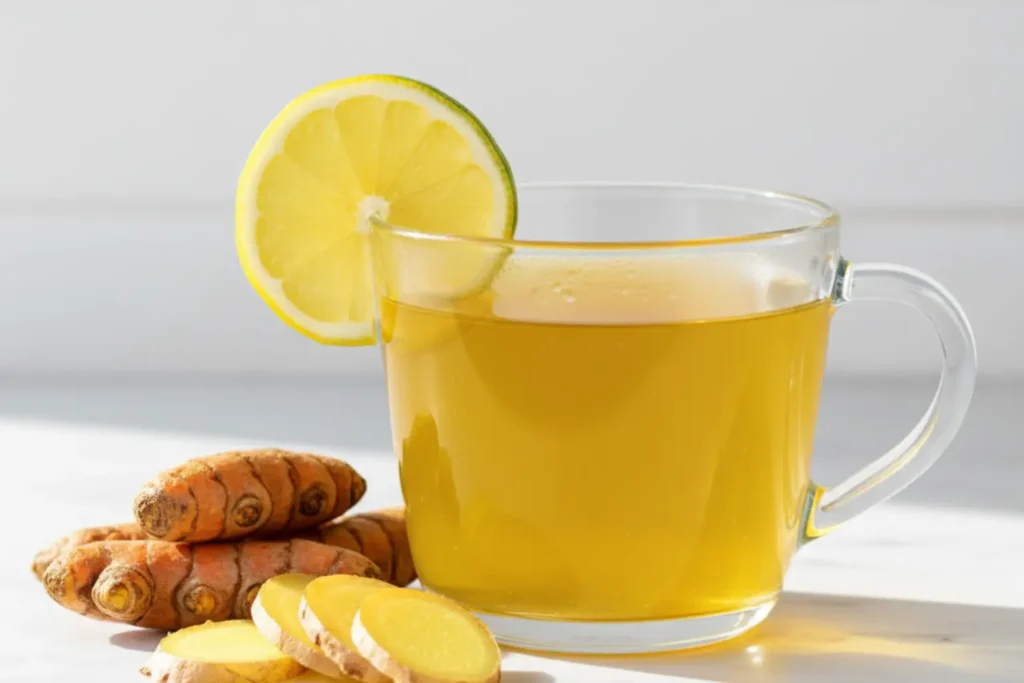
Ingredients:
- 1 cup hot water
- ½ tsp turmeric
- 1 tsp grated ginger
- ½ lemon, squeezed
- Honey to taste
How to Make:
Steep turmeric and ginger in hot water for five minutes. Strain, add lemon juice and honey, and sip slowly for a soothing effect.
3. Turmeric Smoothie
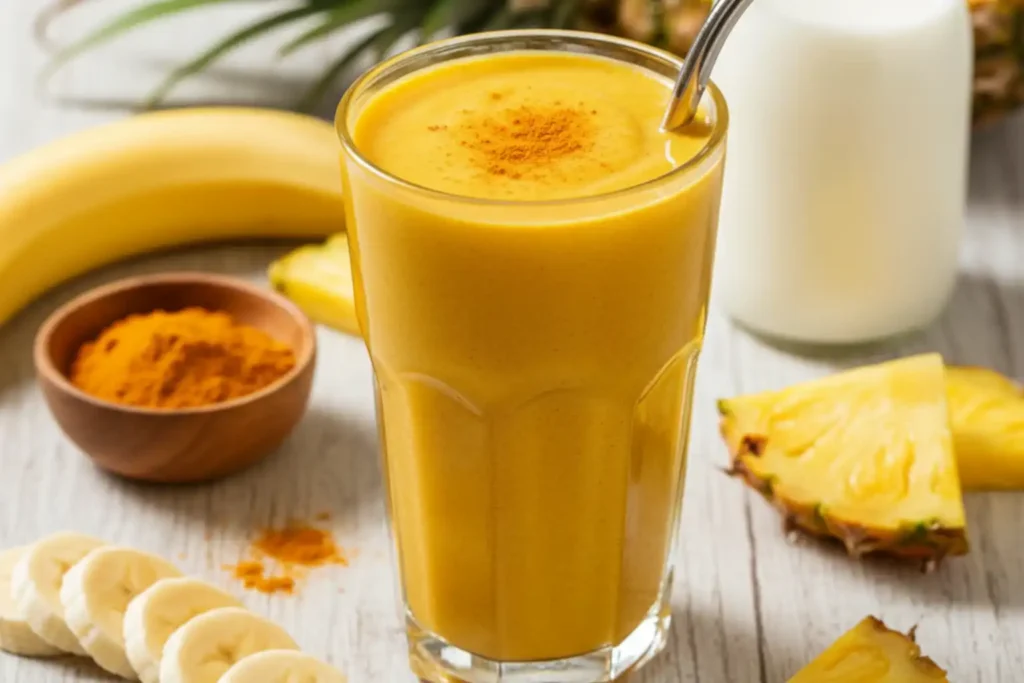
Ingredients:
- 1 banana
- ½ cup pineapple chunks
- ½ tsp turmeric
- Dash of black pepper
- 1 cup coconut milk
How to Make:
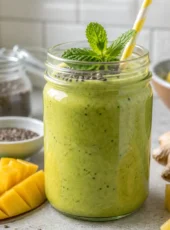
Blend all ingredients until smooth. This refreshing smoothie helps reduce soreness and supports post-workout recovery. For another nutritious option, try our anti-inflammatory green smoothie to double your recovery and energy benefits.
Frequently Asked Questions
Is it good to take turmeric every day?
Yes, daily use is generally safe, especially when consumed in food. Stick to moderate amounts.
Who should not take turmeric?
Anyone on blood thinners, pregnant women, or people with gallbladder issues should consult their doctor first.
How much turmeric should I take per day?
Typically, around 1–2 teaspoons of curcumin in food or 500–1,000 mg of curcumin in supplements is recommended.
What’s the best way to absorb turmeric?
Always combine it with black pepper and healthy fats.
Can turmeric help with weight loss?
Indirectly, yes. It helps by reducing inflammation and improving metabolic function, making it easier to manage weight.
Final Thoughts
Turmeric isn’t magic, but it’s pretty close. From easing joint pain to boosting brain power, it’s one of those rare natural remedies that truly lives up to its reputation. Add it to your cooking, drink it as tea, or take it as a supplement under the guidance of a healthcare professional.
If you want to learn more about eating to reduce inflammation naturally, explore our anti-inflammatory diet guide and discover how turmeric and other healing foods can transform your health.
And the next time someone calls it “just a spice,” you’ll know better. 😉Reviewed by Dr. Jane Smith, MD
Board-Certified in Internal Medicine | Integrative Health Specialist